
Thailand has solidified its position as one of Southeast Asia's most dynamic export economies, with a diverse portfolio of products reaching markets across every continent. Understanding the main export of Thailand provides crucial insights for international buyers, importers, and distributors seeking reliable sourcing opportunities from this manufacturing and agricultural powerhouse. With exports exceeding $290 billion annually, Thailand's economy depends heavily on international trade, making it essential for business partners to recognize which products drive this substantial commercial activity.
Thailand's Export Landscape in 2026
The main export of Thailand encompasses a sophisticated mix of manufactured goods, agricultural products, and processed foods that reflect decades of industrial development and natural resource advantages. According to Thailand’s official trade statistics, the country maintains strong export performance across multiple sectors, with machinery, electronics, and automotive products leading value rankings while agricultural commodities provide essential diversity.
Thailand's geographic position offers strategic access to both emerging Asian markets and established Western economies. This logistical advantage, combined with competitive manufacturing costs and established quality standards, positions Thai exports favorably in global supply chains.
Electronics and Electrical Machinery
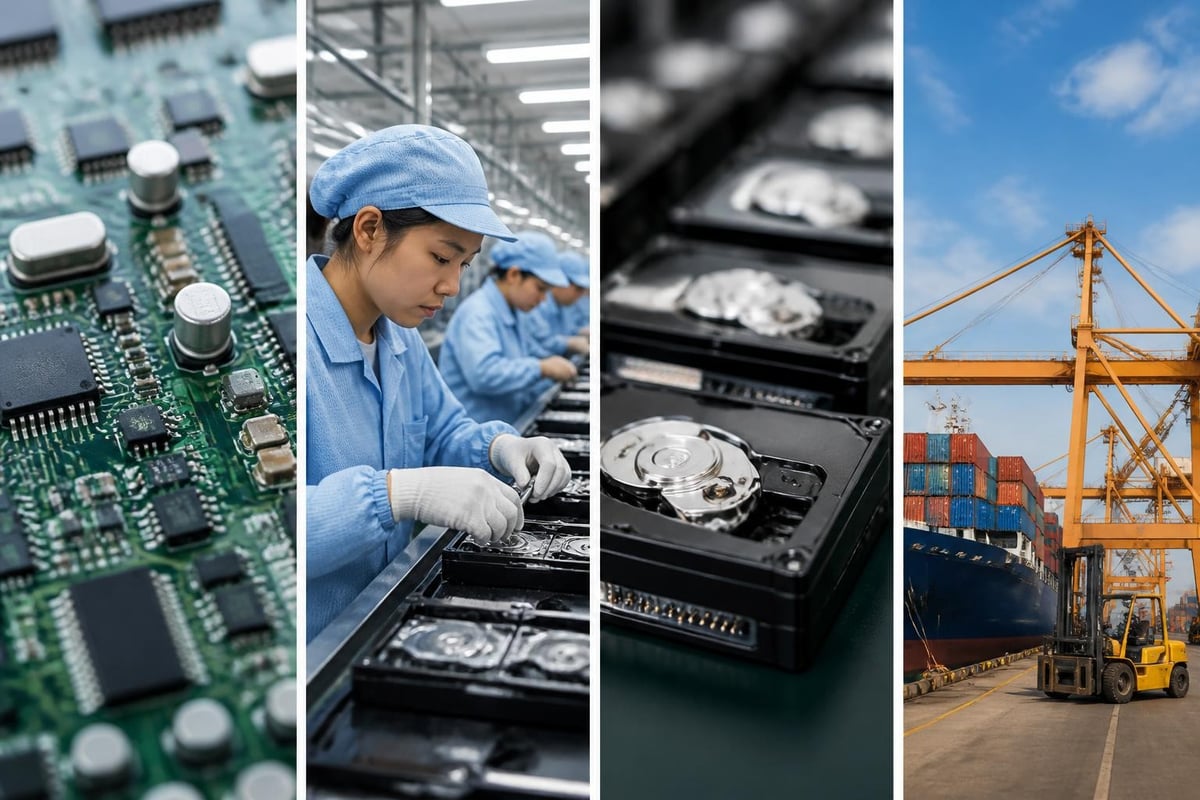
Electronics consistently rank as the main export of Thailand by value, accounting for approximately 15-18% of total export revenue. The sector includes integrated circuits, hard disk drives, printed circuit boards, and consumer electronics components that supply global technology manufacturers.
Key electronic export categories include:
- Computer hard disk drives (Thailand produces roughly 40% of global HDD supply)
- Integrated circuits and semiconductors
- Air conditioning units and refrigeration equipment
- Electrical transformers and capacitors
- Consumer electronics and accessories
The World Bank’s Thailand Economic Monitor emphasizes electronics as a cornerstone of Thailand's export-led growth strategy, noting continued investment in advanced manufacturing capabilities.
Automotive Sector Exports
The automotive industry represents another crucial component of the main export of Thailand, with the country serving as a regional production hub for major Japanese, European, and American automakers. Thailand exports both complete vehicles and automotive parts, generating approximately $30-35 billion in annual export value.
| Product Category | Export Value (USD Billions) | Primary Markets |
|---|---|---|
| Passenger vehicles | 12-14 | Australia, Southeast Asia, Middle East |
| Commercial vehicles | 8-10 | Asia-Pacific, Africa, Latin America |
| Automotive parts | 10-12 | Japan, USA, EU, ASEAN |
Thailand's automotive sector benefits from established manufacturing ecosystems, skilled labor forces, and preferential trade agreements that reduce tariffs in key destination markets. The industry employs over 850,000 workers directly and supports extensive supplier networks throughout the country.
Vehicle Types and Destinations
Pickup trucks dominate Thailand's vehicle exports, particularly one-ton models that serve commercial and personal transport needs in developing markets. The country has earned recognition as the "Detroit of Asia" for Southeast Asian automotive production, with major assembly plants producing vehicles for both domestic consumption and export.
Agricultural and Food Exports
Agricultural products constitute a vital portion of the main export of Thailand, leveraging the country's tropical climate, fertile agricultural lands, and generations of farming expertise. Thailand ranks among the world's top exporters for several agricultural commodities, with rice, rubber, and cassava leading production volumes.
Top agricultural export products:
- Rice (jasmine, white, parboiled varieties)
- Natural rubber and rubber products
- Cassava and tapioca products
- Sugar and molasses
- Fresh and processed fruits (durian, mangosteen, longan)
- Poultry products
Thailand's agricultural sector maintains strict quality control standards and certification programs that meet international food safety requirements, making Thai agricultural products trusted choices for global buyers seeking consistent supply and quality.
Rice Exports and Market Position
Despite fluctuating global prices, rice remains an iconic component of the main export of Thailand, with the country typically exporting 6-8 million metric tons annually. Thai jasmine rice commands premium prices in international markets due to its distinctive aroma, texture, and cooking qualities.
The government maintains buffer stock programs and support mechanisms that stabilize production while ensuring farmers receive fair compensation. For international buyers sourcing Thai food ingredients, agricultural products, and natural wellness products, understanding Thailand's agricultural export infrastructure proves essential for establishing reliable supply chains.
Processed Food and Seafood
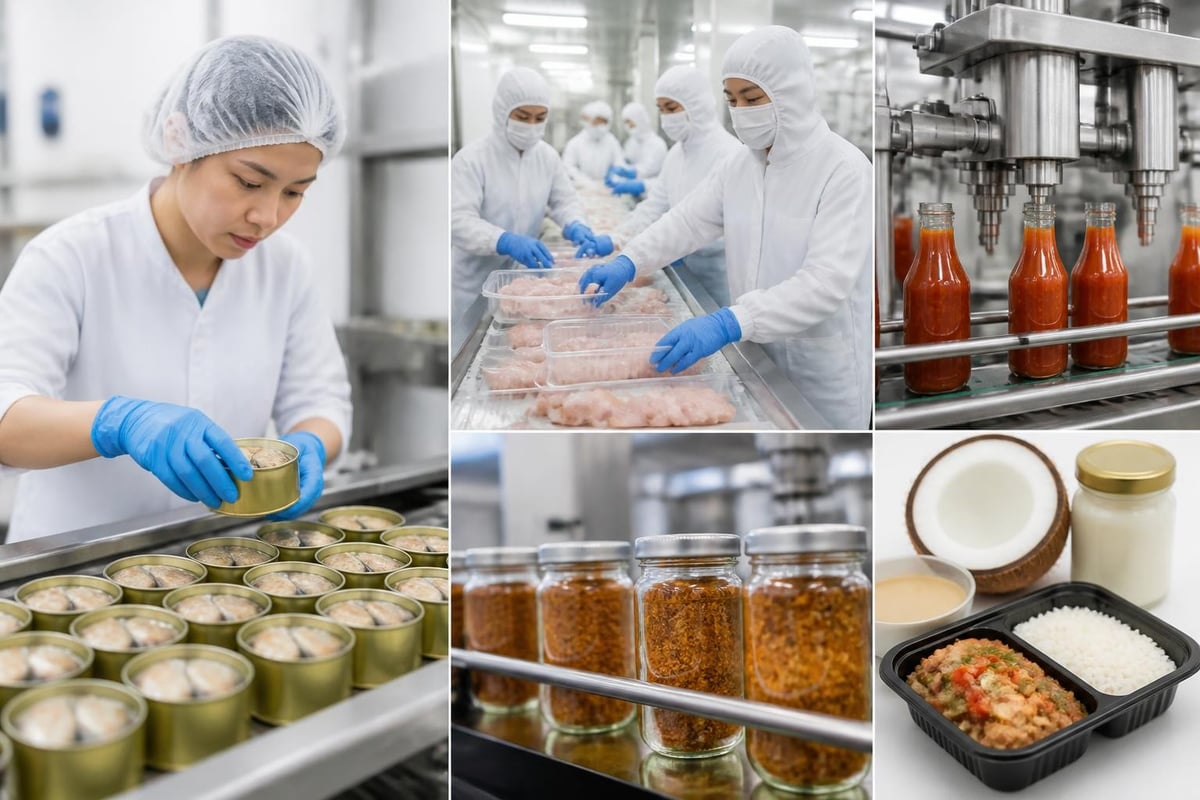
Processed food products represent a high-value segment of the main export of Thailand, with sophisticated processing facilities transforming raw agricultural inputs into shelf-stable, ready-to-eat, and ingredient products for global food industries. Thailand's food processing sector employs modern technology, maintains international certifications, and adapts products to diverse cultural preferences.
Seafood Processing Leadership
Thailand ranks among the world's largest seafood exporters, with shrimp, tuna, and other marine products generating substantial export revenue. According to FAO Globefish analysis, Thailand's seafood industry maintains sophisticated cold chain logistics and processing capabilities that preserve product quality from harvest through delivery.
| Seafood Category | Processing Type | Main Markets |
|---|---|---|
| Shrimp | Frozen, value-added | USA, EU, Japan |
| Tuna | Canned, pouches, frozen | Global distribution |
| Fish sauce | Bottled condiment | Asia, Western ethnic markets |
| Squid/cuttlefish | Frozen, dried | Asia-Pacific, Mediterranean |
The seafood sector faces ongoing challenges related to sustainability certifications and labor practices, driving industry improvements in traceability, environmental management, and worker welfare standards.
Chemical and Plastic Products
Chemical products and plastics constitute an often-overlooked component of the main export of Thailand, with the petrochemical industry supplying raw materials and intermediate goods to manufacturers throughout Asia. Thailand's petrochemical complexes produce ethylene, propylene, polyethylene, polypropylene, and various specialty chemicals.
Downstream plastic products include packaging materials, construction materials, automotive components, and consumer goods that leverage Thailand's integrated supply chains. The sector benefits from proximity to major oil refineries and established logistics infrastructure connecting production facilities to export ports.
Rubber Products Manufacturing
Natural rubber processing extends beyond raw rubber exports to include value-added products such as rubber gloves, tires, rubber bands, and industrial rubber components. Thailand's rubber industry integrates plantation agriculture with modern manufacturing, creating employment across rural and industrial zones.
Gemstones, Jewelry, and Precious Metals
Thailand's jewelry industry represents a specialized but significant portion of the main export of Thailand, with Bangkok serving as a global trading hub for gemstones, gold jewelry, and precious metal products. The industry combines traditional craftsmanship with modern design and manufacturing techniques to serve both mass-market and luxury segments.
Jewelry export categories include:
- Gold jewelry (necklaces, bracelets, rings)
- Silver jewelry and decorative items
- Colored gemstone jewelry (sapphires, rubies)
- Fashion jewelry and costume pieces
- Loose gemstones (cut and polished)
Thailand's gem and jewelry sector maintains strong connections with mining regions worldwide, importing rough stones for cutting, polishing, and setting before re-exporting finished products. The industry employs skilled artisans and modern technology to maintain competitive advantages in quality and design.
Furniture and Wood Products
Furniture exports demonstrate Thailand's capabilities in design, craftsmanship, and material processing, with products ranging from contemporary designs for Western markets to traditional Asian styles. The industry utilizes both domestic hardwoods (under sustainable forestry programs) and imported timber to manufacture indoor and outdoor furniture.
Thailand's furniture manufacturers serve major retail chains, hospitality projects, and residential markets through contract manufacturing and original design manufacturing arrangements. Quality control systems ensure products meet safety standards and durability requirements for diverse climate conditions.

Textiles, Apparel, and Footwear
While facing increasing competition from lower-cost regional producers, textiles and apparel remain contributors to the main export of Thailand, particularly in technical textiles, performance fabrics, and specialized garments. The industry has shifted toward higher-value products requiring greater skill and technology rather than competing solely on labor costs.
Textile and apparel export strengths:
- Performance and technical fabrics
- Branded sportswear and activewear
- Traditional Thai silk products
- Industrial textiles and non-wovens
- Footwear components and finished shoes
Thailand's textile sector increasingly emphasizes sustainable production methods, eco-friendly materials, and social compliance to meet evolving buyer requirements in developed markets. Manufacturers invest in automation and skilled workforce development to maintain competitiveness.
Medical Devices and Healthcare Products
Medical device manufacturing has emerged as a growth sector within the main export of Thailand, supported by government initiatives promoting Thailand as a medical hub for Southeast Asia. The sector produces surgical gloves, medical examination gloves, syringes, catheters, and various disposable medical supplies.
Thailand's healthcare product manufacturers maintain ISO certifications, FDA approvals, and CE marks required for international medical device markets. The industry benefits from established rubber and plastic processing capabilities that provide raw materials for medical products.
| Medical Product | Global Market Share | Key Certifications |
|---|---|---|
| Rubber gloves | 15-18% | ISO 13485, FDA, CE |
| Condoms | 10-12% | WHO prequalification |
| Surgical masks | 5-7% | ASTM, EN standards |
Export Performance Data and Trends
Understanding current statistics helps contextualize the main export of Thailand within global trade patterns. According to WITS World Bank data, Thailand's export values demonstrate resilience despite global economic uncertainties, with machinery and transport equipment consistently accounting for 40-45% of total exports.
The Bank of Thailand’s 2025 Annual Report provides detailed analysis of export sector contributions to GDP, employment, and foreign exchange earnings, noting electronics, automotive, and agro-processing as primary drivers of export growth.
Regional Trade Agreements
Thailand leverages multiple free trade agreements and regional economic partnerships to enhance export competitiveness:
- ASEAN Free Trade Area (AFTA)
- Regional Comprehensive Economic Partnership (RCEP)
- Thailand-China FTA
- Thailand-Australia FTA
- Thailand-Japan Economic Partnership Agreement
These agreements reduce tariff barriers and simplify customs procedures for Thai exporters accessing partner markets, directly impacting the competitiveness of the main export of Thailand across various product categories.
Quality Standards and Certifications
International buyers sourcing the main export of Thailand benefit from established quality infrastructure including testing laboratories, certification bodies, and standards enforcement mechanisms. Thai manufacturers commonly maintain certifications such as ISO 9001, HACCP, GMP, organic certifications, and product-specific standards.
The Thai Industrial Standards Institute (TISI) and various sector-specific organizations provide certification services and quality verification that assure international buyers of product compliance and consistency. Government export promotion agencies offer support services connecting qualified suppliers with verified international buyers.
Logistics and Export Infrastructure
Thailand's export success relies on sophisticated logistics infrastructure including deep-sea ports, modern airports, and integrated supply chain services. Laem Chabang Port serves as Southeast Asia's 18th largest container port, handling approximately 8 million TEUs annually, while Bangkok's Suvarnabhumi Airport processes substantial air cargo volumes for time-sensitive exports.
Key export logistics hubs:
- Laem Chabang Deep Sea Port (containers, bulk cargo)
- Bangkok Port (river access, traditional cargo)
- Map Ta Phut Industrial Port (chemicals, petrochemicals)
- Suvarnabhumi Airport (air freight, perishables)
- Regional border crossings (land trade with neighbors)
Free trade zones, bonded warehouses, and streamlined customs procedures facilitate efficient export processing for the main export of Thailand, reducing transit times and administrative burdens for exporters and importers.
Future Export Trends and Opportunities
Thailand's export sector continues evolving toward higher-value products, sustainable production methods, and digital commerce integration. Government initiatives promote Industry 4.0 adoption, green manufacturing, and innovation-driven exports that command premium pricing in international markets.
Emerging export opportunities include electric vehicle components, bio-based materials, functional foods, premium agricultural products, and digital services that complement traditional merchandise exports. The ITC Trade Map data provides detailed commodity-level export statistics helping identify growth sectors and market opportunities.
Climate change adaptation, circular economy principles, and social responsibility increasingly influence buyer preferences, positioning Thai exporters who embrace sustainability standards favorably for long-term market access.
Market Diversification Strategies
While traditional markets in North America, Europe, and Japan remain important, the main export of Thailand increasingly targets emerging economies in South Asia, Africa, and Latin America. These markets offer growth potential as middle-class consumers expand and infrastructure development accelerates.
Chinese demand continues influencing Thai export performance across agricultural commodities, processed foods, and manufactured goods. ASEAN economic integration creates opportunities for Thai exporters to serve the rapidly growing Southeast Asian consumer base through regional production networks and supply chains.
Thailand's diverse export portfolio-from advanced electronics and automotive products to premium agricultural goods and processed foods-demonstrates the country's manufacturing capabilities and natural resource advantages. For international buyers seeking reliable Thai suppliers and quality products, understanding these export strengths provides essential context for sourcing decisions. Whether you need Thai food ingredients, wellness products, or other authentic Thai goods for your business, BUARADA connects international wholesalers, distributors, and retailers with quality Thai exporters across multiple product categories, supporting your sourcing requirements with expert knowledge of Thailand's export ecosystem.