

Thailand has established itself as a strategic sourcing hub for international buyers seeking high-quality wholesale products at competitive prices. From food ingredients and herbal wellness items to beauty products and agricultural goods, wholesale products from Thailand offer international distributors, retailers, and importers access to authentic Asian merchandise backed by established manufacturing infrastructure. The combination of competitive production costs, diverse product categories, and growing export expertise makes Thailand an attractive partner for B2B buyers worldwide.
Why Thailand Dominates Asia's Wholesale Export Market
Thailand's position as a leading exporter stems from several competitive advantages that benefit international wholesalers. The country's manufacturing sector has matured significantly over the past three decades, with particular strength in food processing, natural products, and consumer goods. According to Thailand's export data from the Department of International Trade Promotion, the nation consistently ranks among the top exporters in Southeast Asia across multiple product categories.
Key advantages for wholesale buyers include:
- Established manufacturing infrastructure across food, wellness, and personal care sectors
- Competitive labor costs compared to developed markets
- Strategic geographic location for distribution throughout Asia and beyond
- Government support programs for export-oriented businesses
- Rich agricultural resources supporting natural and organic product lines
The Thai government actively supports export activities through various incentive programs and trade facilitation services. The Board of Investment provides export-related incentives that help Thai manufacturers maintain competitive pricing while investing in quality improvements. This governmental backing translates into more reliable supplier relationships for international buyers.
Manufacturing Capabilities and Quality Standards
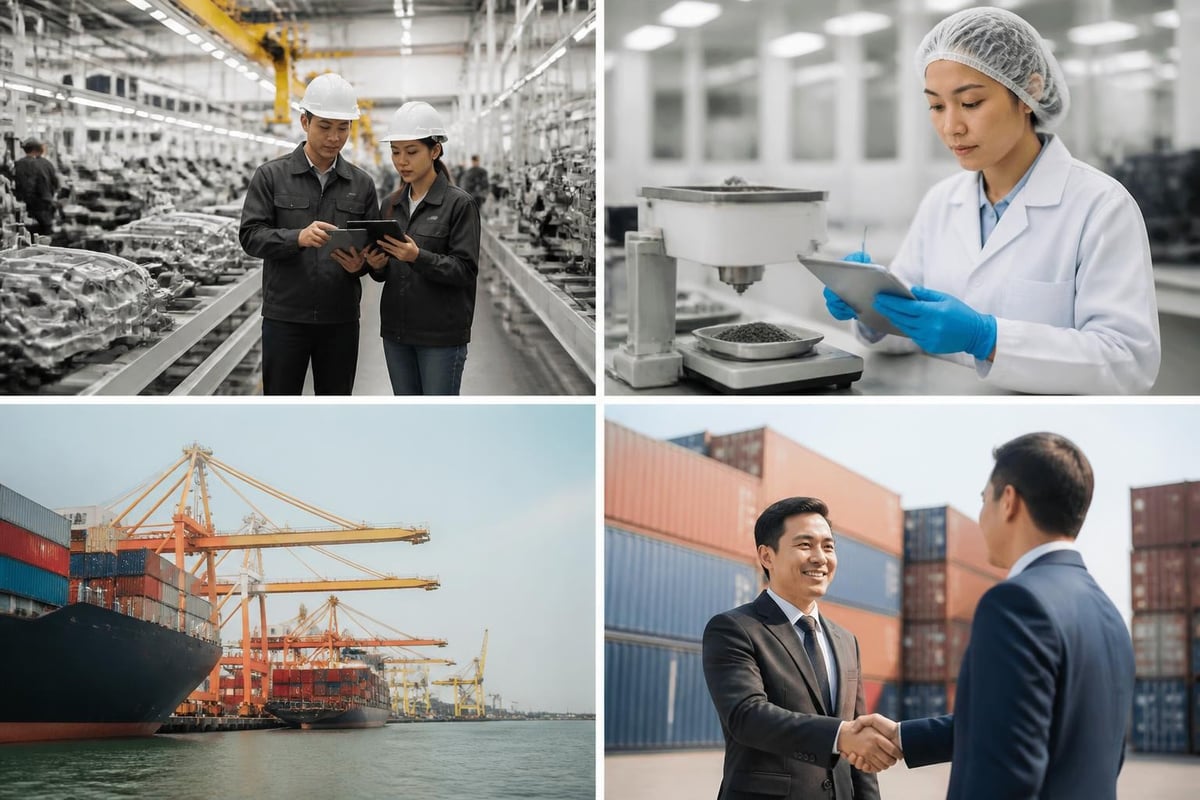
Thai manufacturers have invested heavily in international certifications and quality management systems to meet global buyer requirements. Many producers hold certifications such as GMP, HACCP, ISO standards, and organic certifications, depending on their product categories. This quality focus has enabled wholesale products from Thailand to compete effectively in demanding markets including Europe, North America, and Japan.
The country's food processing sector particularly exemplifies this quality evolution, with sophisticated production facilities rivaling those in developed nations. Similar advancements have occurred in the cosmetics, herbal products, and wellness sectors, where Thai manufacturers combine traditional knowledge with modern production techniques.
Top Categories of Wholesale Products from Thailand
Understanding which product categories offer the strongest value proposition helps buyers make informed sourcing decisions. Thailand's export strength concentrates in specific sectors where the nation has developed deep expertise and competitive advantages.
Food and Beverage Products
Thai food products represent one of the largest wholesale export categories, encompassing everything from processed ingredients to finished consumer goods. The sector benefits from Thailand's rich agricultural production and advanced food processing capabilities.
| Product Category | Key Items | Primary Export Markets |
|---|---|---|
| Processed Foods | Canned fruits, coconut milk, curry pastes | North America, EU, Australia |
| Rice Products | Jasmine rice, rice flour, rice noodles | Middle East, Africa, Asia |
| Beverages | Tea, coffee, fruit juices | Global markets |
| Snacks | Dried fruits, chips, crackers | Asia-Pacific, North America |
International buyers appreciate the authenticity and flavor profiles that Thai food manufacturers bring to wholesale markets. The Thai Food and Drug Administration enforces strict regulations ensuring food safety standards align with international requirements, which facilitates smoother import processes for wholesale buyers.
Health and Wellness Products
Thailand's traditional medicine heritage has evolved into a thriving wellness product export sector. Wholesale products from Thailand in this category blend ancient herbal knowledge with modern formulation and packaging standards. Popular items include herbal balms, massage oils, nasal inhalers, and traditional remedies that have gained international recognition.
Wholesale wellness product categories:
- Herbal balms and ointments for pain relief and muscle care
- Aromatherapy products including essential oils and diffuser blends
- Massage oils and liniments combining traditional Thai formulations
- Herbal inhalers for respiratory comfort and mental clarity
- Spa and massage accessories supporting wellness practitioners
These products often feature distinctive Thai herbs such as menthol, camphor, eucalyptus, and traditional botanical blends. International buyers serving natural wellness markets find strong consumer demand for authentic Thai formulations, particularly products like traditional Thai herbal balms that have built reputation over decades.
Beauty and Personal Care Items
The Thai beauty industry has experienced remarkable growth, driven by innovation in natural and coconut-based formulations. Wholesale buyers seeking unique beauty products appreciate Thailand's emphasis on botanical ingredients and traditional beauty wisdom.
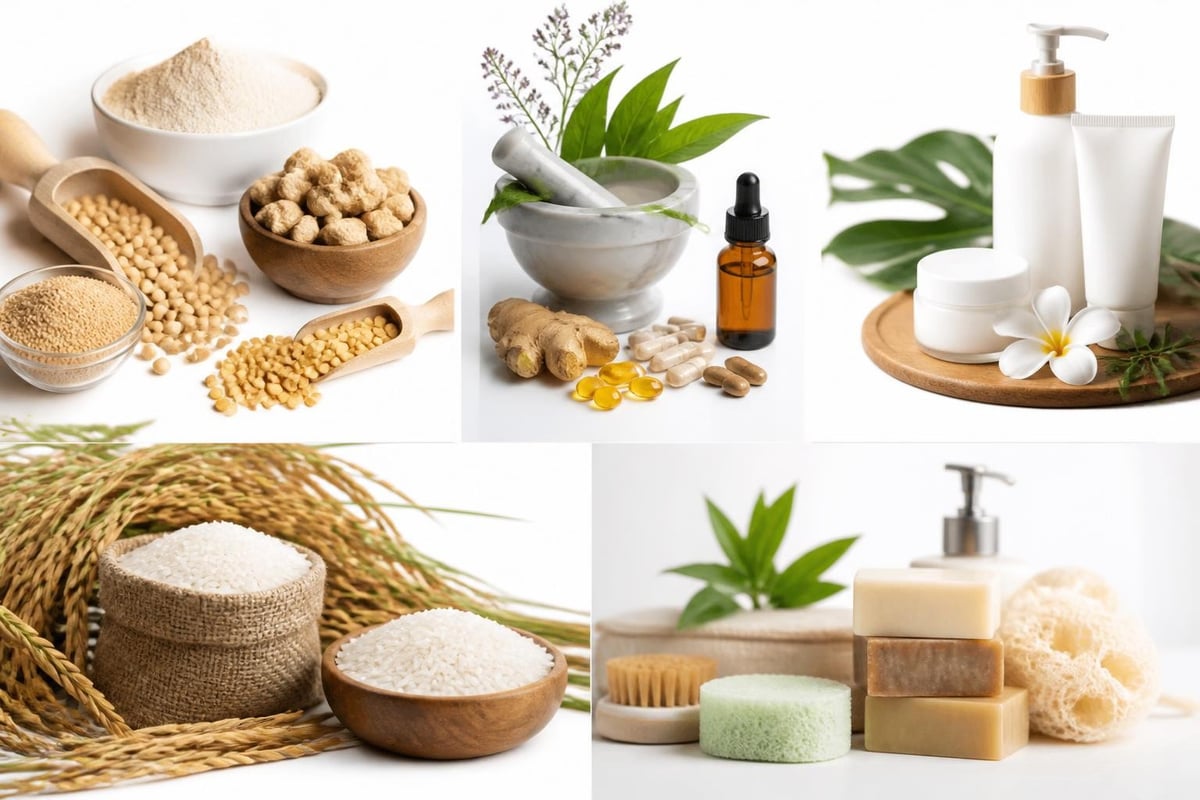
Thailand's coconut processing industry supports a robust export sector for coconut oil and derivative beauty products. From virgin coconut oil to specialized skincare formulations, these products appeal to health-conscious consumers in international markets. Thai manufacturers have successfully positioned coconut-based beauty items as premium natural alternatives.
Agricultural and Coconut Products
Raw and semi-processed agricultural products form another significant category of wholesale products from Thailand. The nation's tropical climate and agricultural expertise create ideal conditions for producing high-quality export commodities.
Key agricultural exports include:
- Virgin and refined coconut oil for food and cosmetic applications
- Dried fruits and processed vegetables
- Herbs and spices in various processing stages
- Natural fibers and plant-based materials
- Organic agricultural products certified for international markets
The coconut processing sector deserves particular attention, as Thailand has developed sophisticated infrastructure for extracting and refining coconut products to international specifications. Wholesale buyers benefit from consistent quality and reliable supply chains established over many years.
Navigating Export Procedures and Documentation
Successful wholesale sourcing from Thailand requires understanding the export process and documentation requirements. While Thai suppliers typically handle most export procedures, informed buyers can facilitate smoother transactions and avoid delays.
Essential Export Documentation
Thai exporters must prepare specific documents for international shipments. The Thai Customs Department oversees export procedures and provides guidance on required documentation. Standard export documents include commercial invoices, packing lists, bills of lading, certificates of origin, and product-specific certifications.
For regulated products such as food, beverages, and health items, additional certifications may be required. Buyers should verify their country's import requirements and communicate these clearly to Thai suppliers during the sourcing process. Many experienced Thai exporters maintain familiarity with major market requirements, but buyer verification ensures compliance.
Quality Control and Inspection Protocols
Implementing quality control measures protects wholesale buyers from receiving substandard products. Recommended practices include requesting samples before placing bulk orders, specifying quality standards in purchase agreements, and potentially arranging pre-shipment inspections for large orders.
Thailand hosts numerous third-party inspection services that can verify product quality, packaging integrity, and shipment accuracy before goods leave the country. This additional verification step provides peace of mind for buyers establishing new supplier relationships or importing regulated products.
Identifying Reliable Thai Suppliers and Manufacturers
Finding trustworthy suppliers represents perhaps the most critical aspect of sourcing wholesale products from Thailand. Multiple approaches can help buyers identify and vet potential Thai business partners.
Government Trade Resources
Thailand's government maintains several programs supporting international trade connections. The Department of International Trade Promotion operates trade centers globally and maintains supplier databases accessible to international buyers. These official channels provide a starting point for identifying legitimate manufacturers and exporters.
Trade shows and exhibitions represent another effective discovery method. Thailand hosts numerous industry-specific trade events throughout the year, bringing together manufacturers and international buyers. Virtual trade platforms have expanded access for buyers unable to travel, though in-person visits remain valuable for establishing relationships and assessing facilities.
Verification and Due Diligence Steps
Before committing to supplier relationships, buyers should conduct appropriate due diligence. This process might include:
- Verifying business registration and export licenses
- Requesting and checking references from other international clients
- Reviewing available certifications and quality management documentation
- Starting with smaller trial orders before scaling up
- Establishing clear communication protocols and expectations
Experienced Thai suppliers understand these verification needs and typically cooperate fully with reasonable due diligence requests. Suppliers resistant to providing basic verification information may warrant additional scrutiny.

Pricing Structures and Minimum Order Quantities
Understanding typical pricing models and order requirements helps buyers plan their sourcing strategies effectively. Wholesale products from Thailand generally offer competitive pricing compared to many alternative sourcing destinations, though specific prices vary widely by product category, quality level, and order volume.
Factors Affecting Wholesale Pricing
Several variables influence the final landed cost of Thai wholesale products:
- Raw material costs which fluctuate based on agricultural seasons and commodity markets
- Production scale with larger orders typically securing better per-unit pricing
- Quality specifications as premium certifications and materials increase costs
- Packaging requirements with custom packaging adding expense
- Shipping methods where air freight costs significantly more than sea transport
- Payment terms with some suppliers offering discounts for advance payment
Buyers should request detailed quotations that break down these cost components, facilitating accurate comparison between suppliers and informed negotiation.
Negotiating Minimum Order Quantities
Most Thai manufacturers set minimum order quantities (MOQs) based on production efficiency and export viability. MOQs vary substantially across product types and suppliers, ranging from relatively modest quantities for specialized items to container loads for commodity products.
Tips for managing MOQ requirements:
- Discuss MOQ flexibility during initial supplier conversations
- Consider mixing product variants to reach total MOQ thresholds
- Evaluate whether slightly higher initial orders provide better unit economics
- Explore the possibility of shared container shipments with other buyers
- Build relationships with suppliers who may reduce MOQs for reliable repeat customers
New buyers often start with higher MOQs than established customers, as suppliers seek to validate the relationship before offering preferential terms.
Logistics and Shipping Considerations
Efficient logistics planning ensures wholesale products from Thailand reach buyers in optimal condition and on schedule. Understanding shipping options and best practices helps buyers manage costs and inventory planning.
Sea Freight Versus Air Freight
Most wholesale products from Thailand ship via ocean freight due to cost advantages for larger volumes. Sea freight works well for non-perishable goods where delivery timing allows for longer transit periods. Major Thai ports including Bangkok's Laem Chabang and other regional facilities offer regular shipping schedules to global destinations.
Air freight serves buyers requiring faster delivery or importing perishable products where freshness matters. While significantly more expensive per kilogram, air shipping reduces inventory holding requirements and enables faster market response.
| Shipping Method | Typical Transit Time | Cost Level | Best For |
|---|---|---|---|
| Sea Freight (Full Container) | 15-45 days | Lowest | Large volumes, non-perishables |
| Sea Freight (LCL) | 20-50 days | Moderate | Smaller volumes, mixed products |
| Air Freight | 3-7 days | Highest | Time-sensitive, high-value items |
| Express Courier | 2-5 days | Very High | Samples, urgent small shipments |
Insurance and Risk Management
Protecting shipments through appropriate insurance coverage represents sound risk management for wholesale buyers. Most suppliers can arrange basic shipping insurance, though buyers may prefer obtaining their own coverage for valuable shipments. Understanding Incoterms and clearly defining responsibility for insurance, freight, and customs clearance prevents disputes and unexpected costs.
Market Trends Shaping Thailand's Wholesale Sector
Several trends are influencing wholesale products from Thailand and creating new opportunities for international buyers. Staying informed about these developments helps buyers identify emerging categories and adjust sourcing strategies.
Growing Demand for Natural and Organic Products
Consumer preference for natural, organic, and sustainably sourced products continues driving growth across multiple categories. Thai manufacturers have responded by developing organic certification capabilities and reformulating products to meet clean-label expectations. This trend particularly affects the food, wellness, and beauty sectors where wholesale buyers serve health-conscious consumer segments.
Thailand's agricultural sector has expanded organic production, though certified organic products typically command premium pricing. Buyers should verify organic certifications match their target market requirements, as standards vary between certifying bodies and regions.
Digital Transformation and E-Commerce Integration
Thai suppliers increasingly embrace digital tools for marketing, communication, and order management. Many manufacturers now maintain English-language websites, respond to inquiries via email and messaging platforms, and can accommodate online payment methods. This digital transformation reduces communication barriers for international wholesale buyers and streamlines the sourcing process.
According to World Bank analysis of Thailand's economy, digital adoption has accelerated among Thai exporters, with positive implications for efficiency and transparency in B2B transactions.
Sustainability and Ethical Sourcing Focus
International buyers increasingly request information about labor practices, environmental impact, and sustainability initiatives. Progressive Thai manufacturers recognize this trend and have begun implementing traceable supply chains, environmental certifications, and ethical workplace standards. Wholesale buyers serving markets with strong sustainability expectations should prioritize suppliers demonstrating commitment to these values.
Working with Thai Product Sourcing Partners
For buyers seeking comprehensive support beyond direct manufacturer relationships, working with experienced Thai product sourcing services offers distinct advantages. Sourcing specialists provide local market knowledge, supplier networks, quality oversight, and logistical coordination that streamline the wholesale buying process.
Services Provided by Professional Sourcing Partners
Professional sourcing partners typically offer multiple value-added services beyond simple supplier introductions:
- Identifying manufacturers matching specific product requirements and quality standards
- Negotiating pricing and terms on behalf of buyers
- Conducting factory audits and quality inspections
- Managing sample procurement and testing coordination
- Overseeing production timelines and quality control
- Arranging export documentation and shipping logistics
- Providing market intelligence about pricing trends and new products
These services prove particularly valuable for buyers new to Thailand sourcing, those lacking in-country representation, or businesses seeking to expand their Thai product range efficiently.
When Sourcing Partners Add Value
Certain situations make sourcing partner involvement especially beneficial:
- New market entry where buyers lack established Thai supplier relationships
- Complex quality requirements needing technical verification and oversight
- Custom product development requiring coordination between buyers and manufacturers
- Small-to-medium volume orders where direct manufacturer engagement may be challenging
- Multi-category sourcing benefiting from one partner's diverse supplier network
Buyers should evaluate sourcing partners based on their industry expertise, supplier network depth, quality control capabilities, and track record serving international clients. Transparency regarding fees and service scope ensures alignment between buyer expectations and partner capabilities.
Compliance and Regulatory Considerations
Successfully importing wholesale products from Thailand requires understanding both Thai export regulations and destination country import requirements. Regulatory compliance affects product categories differently, with food, health, and cosmetic items facing stricter oversight than many other product types.
Product-Specific Regulations
The U.S. Department of Commerce provides market guidance covering regulatory requirements for various Thai product categories entering the American market. Similar resources exist for other major import markets, and buyers should research specific requirements for their jurisdictions.
Key regulatory areas include:
- Food safety standards and labeling requirements
- Cosmetic ingredient restrictions and registration procedures
- Health product claims and substantiation requirements
- Import permits and licenses for controlled substances
- Tariffs and duty classifications affecting landed costs
Working with customs brokers experienced in Thai imports helps navigate these regulatory requirements and ensures compliant entry of wholesale products.
Intellectual Property and Trademark Considerations
Buyers should verify that wholesale products from Thailand don't infringe on intellectual property rights in their target markets. Reputable Thai manufacturers respect IP rights and avoid copying branded products, but buyers bear ultimate responsibility for ensuring products they import don't violate trademarks, patents, or design rights.
When developing private label or custom products with Thai manufacturers, clearly documenting IP ownership prevents future disputes. Written agreements should specify who owns product formulations, designs, and any innovations developed during the partnership.
Payment Terms and Financial Arrangements
Establishing appropriate payment terms balances buyer cash flow needs with supplier security requirements. Standard practices for wholesale products from Thailand typically involve negotiated payment structures based on order size, buyer history, and supplier policies.
Common Payment Structures
Thai exporters utilize various payment methods depending on relationship maturity and transaction size:
- Letter of Credit (L/C) providing security for both parties on large initial orders
- Telegraphic Transfer (T/T) with deposit and balance payment split
- Documentary Collection offering middle-ground security between L/C and open terms
- Open Account Terms typically available only to established buyers with proven payment history
New buyer relationships often start with deposits of 30-50% and balance payment before or upon shipment. As relationships mature and trust builds, Thai suppliers may extend more favorable payment terms including net payment windows after delivery.
Currency and Exchange Rate Management
Most Thai exporters quote and accept payment in US dollars, though some accommodate euro or other major currencies. Buyers should factor exchange rate fluctuations into their cost planning, particularly for large or repeat orders. Forward contracts and other hedging instruments help manage currency risk on substantial purchase commitments.
Building Long-Term Supplier Relationships
Successful wholesale sourcing from Thailand extends beyond individual transactions to developing mutually beneficial long-term partnerships. Thai business culture values relationship building and loyalty, with suppliers often providing preferential treatment to reliable, communicative buyers.
Best Practices for Relationship Development
Several approaches strengthen buyer-supplier relationships over time:
- Maintain consistent communication throughout the year, not only when placing orders
- Provide advance notice about planned order volumes to help suppliers manage production
- Share market feedback about product performance and customer preferences
- Pay invoices promptly according to agreed terms
- Give suppliers reasonable lead times for production and shipping
- Visit Thailand periodically to meet suppliers in person and view facilities
These relationship investments often yield tangible benefits including priority production scheduling, first access to new products, pricing advantages, and greater flexibility during supply challenges.
Handling Issues and Disputes Professionally
Even strong supplier relationships occasionally encounter quality issues, shipping delays, or miscommunications. Approaching problems professionally and constructively preserves relationships while achieving resolution. Document issues clearly with photos and specific details, communicate concerns directly with suppliers, and work collaboratively toward solutions rather than assigning blame.
Thai business culture emphasizes preserving harmony and avoiding confrontation, so aggressive or accusatory communication styles often prove counterproductive. Patient, respectful problem-solving typically achieves better outcomes and maintains valuable supplier partnerships.
Thailand's diverse manufacturing capabilities, competitive pricing, and established export infrastructure make it an excellent sourcing destination for international wholesale buyers across multiple product categories. Understanding market dynamics, regulatory requirements, and relationship best practices positions buyers for sourcing success.
BUARADA connects international wholesalers, distributors, and retailers with quality Thai products including food ingredients, wellness items, natural beauty products, and agricultural goods. Whether you need assistance identifying reliable suppliers, managing quality control, or coordinating export logistics, our Thailand-based team provides comprehensive sourcing support tailored to your business requirements.