
Finding a reliable thai tea supplier represents a critical decision for international wholesalers, distributors, and retailers seeking to introduce authentic Thai beverages to their markets. Thailand's tea industry offers distinctive products ranging from traditional Thai iced tea mixes to specialty blends that combine local herbs and flavors. International buyers must navigate quality verification, export compliance, supplier reliability, and market positioning when establishing partnerships with Thai tea exporters. This comprehensive guide examines the essential considerations for sourcing tea products from Thailand and building sustainable supplier relationships.
Understanding Thailand's Tea Export Landscape
Thailand's position in the global tea market differs significantly from major producers like China, India, or Sri Lanka. While Thailand’s tea exports remain relatively modest in volume compared to these giants, the country has carved out specialized niches in ready-to-drink Thai tea products, flavored tea blends, and herbal tea combinations that incorporate traditional Thai ingredients.
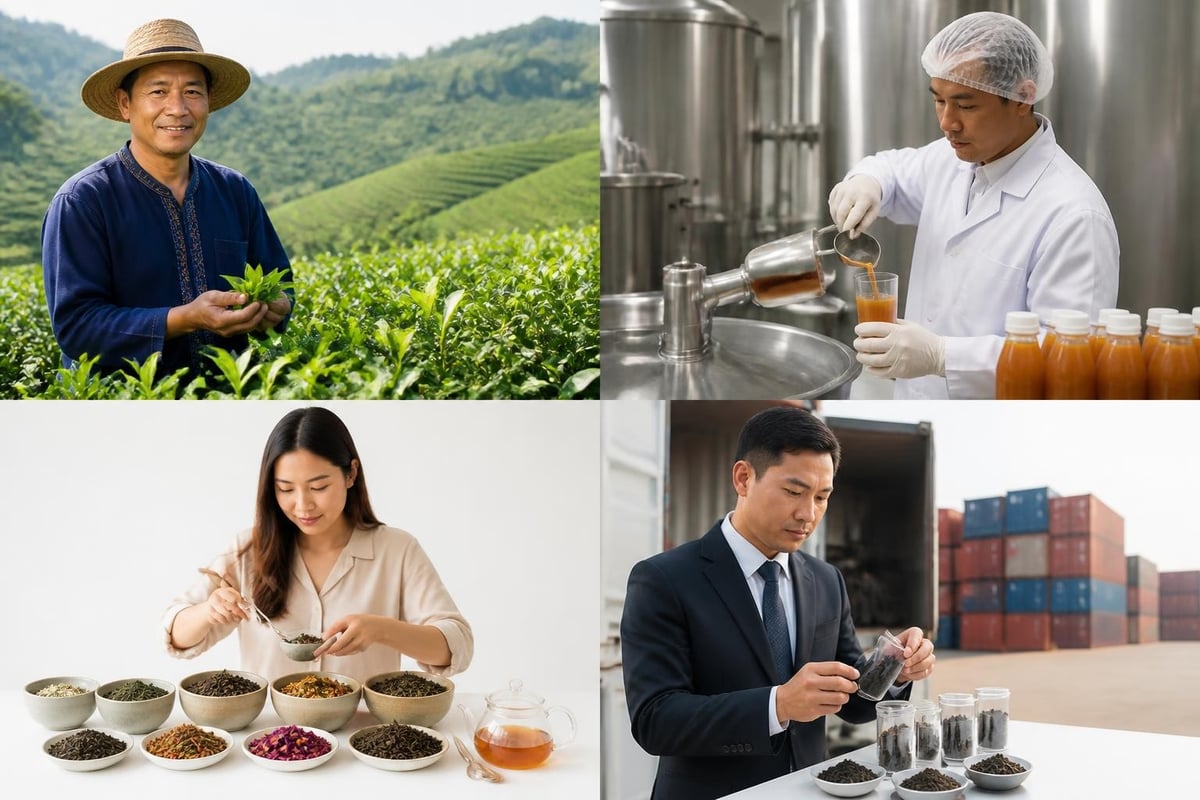
The thai tea supplier landscape in Thailand encompasses several distinct categories. Traditional plantation tea producers operate primarily in the northern regions, particularly Chiang Mai and Chiang Rai provinces, where elevation and climate support quality tea cultivation. These suppliers typically focus on orthodox tea production methods and organic certification.
Export Volume and Market Trends
According to global tea trade data, Thailand's tea export strategy emphasizes value-added products rather than commodity leaf tea. The country exports specialty tea products, instant tea mixes, and Thai-style beverage concentrates to markets across Asia, North America, Europe, and the Middle East.
Key export trends for 2026 include:
- Increased demand for ready-to-drink Thai tea concentrates in foodservice channels
- Growing interest in organic and sustainably certified tea products
- Rising exports of Thai herbal tea blends incorporating traditional ingredients
- Expansion of premium Thai tea products targeting specialty retail segments
- Development of private-label Thai tea formulations for international brands
Thai tea products also benefit from Thailand's broader reputation for quality food and beverage exports. When buyers source Thai food and beverage products, they often discover opportunities to add complementary tea products to their import portfolios.
Supplier Categories and Capabilities
Not all Thai tea suppliers offer the same capabilities or serve the same buyer segments. Understanding supplier categories helps international buyers identify the most appropriate partners for their specific requirements.
| Supplier Type | Primary Products | Typical MOQ | Export Experience | Best For |
|---|---|---|---|---|
| Plantation Growers | Loose leaf tea, orthodox tea | Medium to High | Varies | Specialty retailers, tea brands |
| Processing Factories | Instant tea powder, concentrates | High | Extensive | Foodservice, beverage manufacturers |
| Trading Companies | Multiple tea formats | Low to Medium | Extensive | Wholesalers, diverse portfolios |
| Herbal Tea Blenders | Thai herbal tea blends | Low to Medium | Moderate | Health stores, specialty importers |
Direct Manufacturers Versus Trading Companies
Direct manufacturers control production facilities and can offer greater transparency regarding ingredients, processing methods, and quality systems. These suppliers typically require higher minimum order quantities but provide better pricing for volume commitments. Manufacturing facilities often hold export certifications like GMP, HACCP, or ISO standards that facilitate international trade.
Trading companies and export specialists aggregate products from multiple manufacturers. They offer flexibility in order quantities, broader product assortment, and consolidated shipping options. A reputable thai tea supplier operating as a trading company can source specific products according to buyer specifications while handling export documentation and logistics coordination.
The FAO’s tea commodity overview provides valuable context on global tea trade dynamics that influence supplier selection strategies.
Quality Verification and Product Standards
Quality assurance remains paramount when evaluating any thai tea supplier. International buyers must establish clear quality benchmarks and verification procedures before committing to supplier partnerships.
Laboratory Testing and Certifications
Reputable suppliers provide comprehensive laboratory test reports covering:
- Pesticide residue analysis according to destination market standards
- Heavy metal screening (lead, cadmium, arsenic, mercury)
- Microbiological testing for food safety compliance
- Moisture content and physical specifications
- Sensory evaluation and cup quality assessment
Third-party certification adds credibility to supplier claims. The Rainforest Alliance’s 2024 Tea Certification Data Report demonstrates growing adoption of sustainability certifications across tea supply chains globally, though certification rates in Thailand remain lower than in traditional tea-producing nations.
Organic and Sustainable Sourcing
International markets increasingly demand certified organic tea products. Thai suppliers pursuing organic certification must comply with standards from target markets, including USDA Organic, EU Organic, or equivalent certifications. The certification process typically requires three years of transition period and ongoing compliance verification.
Sustainability frameworks extend beyond organic certification. The Regenerative Tea Scorecard provides indicators for evaluating supplier environmental practices, soil health management, water conservation, and biodiversity protection. Forward-thinking buyers incorporate these considerations into supplier evaluation criteria.
Thai Tea Product Categories for Export
Thai tea exports encompass diverse product formats designed for different market applications and customer preferences.
Traditional Thai Tea Mix
The iconic orange Thai tea (cha yen) represents Thailand's most recognizable tea export. Traditional formulations combine black tea with spices, vanilla, and food coloring to create the distinctive flavor and appearance. Suppliers offer both foodservice formats (bulk powder or concentrate) and retail-ready packages.
Quality variations depend on tea grade, spice composition, and natural versus artificial flavoring. Premium formulations use higher-grade Ceylon-type tea and natural colorants, while economy versions may incorporate tea dust and synthetic ingredients.
Northern Thai Tea
Specialty suppliers offer single-origin teas from northern Thailand's growing regions. These products target premium market segments seeking artisanal quality and origin stories. Assam-type tea varieties dominate northern production, yielding robust, malty flavor profiles suitable for milk tea applications.
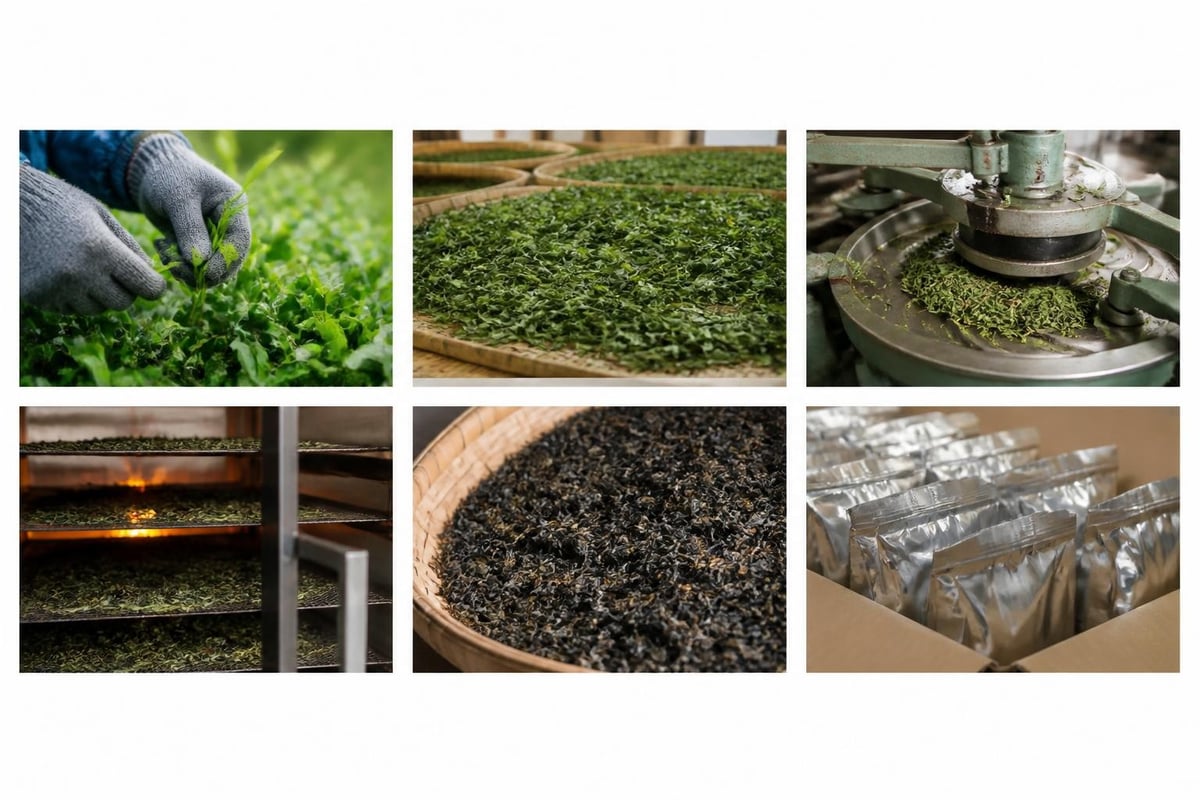
Processing methods range from orthodox leaf production to CTC (crush-tear-curl) formats. Orthodox processing preserves leaf structure and commands premium pricing, while CTC methods produce smaller particles ideal for tea bags and quick-brewing applications.
Herbal and Wellness Tea Blends
Thailand's rich tradition of herbal medicine creates opportunities for distinctive wellness tea products. Suppliers combine traditional tea with Thai herbs like lemongrass, pandan, butterfly pea flower, ginger, turmeric, and kaffir lime. These products appeal to health-conscious consumers seeking functional beverages with exotic flavor profiles.
Herbal tea suppliers often overlap with broader Thai health and wellness product exporters who understand international market requirements for natural ingredients and botanical documentation.
Supplier Evaluation and Selection Process
Systematic supplier evaluation reduces risk and improves long-term partnership outcomes. International buyers should implement structured assessment procedures when identifying potential Thai tea suppliers.
Initial Screening Criteria
Begin supplier evaluation with fundamental qualification criteria:
- Business legitimacy – Verify company registration, tax documentation, and legal standing
- Export experience – Confirm track record of international shipments and customer references
- Production capacity – Assess ability to meet volume requirements and scale production
- Quality systems – Review certifications, quality control procedures, and testing capabilities
- Financial stability – Evaluate business sustainability and ability to fulfill contracts
Request detailed company profiles including facility descriptions, equipment lists, production capacity statements, and customer references. Legitimate suppliers provide transparent information and welcome verification inquiries.
Physical Inspection and Auditing
Serious buyers should conduct on-site facility inspections before finalizing supplier agreements. Physical audits reveal operational realities that documentation cannot fully capture. Inspection focus areas include:
- Production facility hygiene and sanitation standards
- Raw material storage and inventory management systems
- Processing equipment condition and maintenance programs
- Quality control laboratory capabilities and procedures
- Packaging and labeling operations
- Export documentation and compliance processes
Virtual audits via video conference provide acceptable alternatives when travel proves impractical, though physical presence delivers superior assessment quality.
Sample Evaluation Protocol
Comprehensive sample testing validates supplier claims and product suitability:
- Request samples representing actual production batches with lot traceability
- Conduct laboratory testing through independent facilities in your market
- Perform sensory evaluation with your team and target customers
- Test product performance in intended applications (brewing, mixing, storage)
- Verify packaging integrity, labeling accuracy, and shelf-life claims
- Compare multiple suppliers using consistent evaluation criteria
| Evaluation Factor | Weight | Assessment Method | Decision Threshold |
|---|---|---|---|
| Laboratory Test Results | 30% | Third-party analysis | Must meet all regulatory standards |
| Sensory Quality | 25% | Blind cupping/tasting | Minimum score 7/10 |
| Pricing Competitiveness | 20% | Comparative quotation | Within 15% of market average |
| Supply Chain Reliability | 15% | Reference checks | Positive references required |
| Communication Quality | 10% | Direct interaction | Responsive, clear, professional |
Export Compliance and Documentation
Navigating export procedures and documentation requirements challenges many international buyers. Understanding the compliance landscape ensures smooth transactions and prevents costly delays or rejections.
Required Export Documentation
A professional thai tea supplier manages standard export documentation including:
- Commercial invoice – Detailed product description, quantities, pricing, and terms
- Packing list – Carton-level details of shipment contents and weights
- Certificate of origin – Government certification of product origin for customs clearance
- Phytosanitary certificate – Required for agricultural products entering most markets
- Health certificate – Food safety attestation from Thai authorities
- Laboratory test reports – Analysis results demonstrating regulatory compliance
Additional documentation may include free sale certificates, non-GMO declarations, halal certificates, or allergen statements depending on product specifications and destination requirements.
Import Regulations and Tariffs
Tea import regulations vary significantly across destination markets. The European Union maintains strict pesticide maximum residue levels (MRLs), requiring suppliers to demonstrate compliance through laboratory testing. United States imports must meet FDA food safety requirements and proper labeling standards.
Trade agreements influence import duties and tariff rates. Thailand participates in numerous free trade agreements that may provide preferential tariff treatment for tea exports. Buyers should verify applicable tariff codes and duty rates using resources like the Trade Map database before committing to purchase orders.
Pricing Structures and Payment Terms
Understanding thai tea supplier pricing models and negotiating favorable payment terms protects buyer interests while maintaining supplier relationships.
Price Components and Negotiations
Tea export pricing incorporates multiple cost elements:
- Raw material costs based on tea grade and market conditions
- Processing and manufacturing expenses
- Packaging materials and labeling
- Quality testing and certification fees
- Export documentation and handling charges
- Domestic transportation to port
- Profit margins
Suppliers typically quote FOB (Free on Board) prices that include costs up to loading on the vessel at Thai port. Buyers arrange and pay for international shipping, insurance, and destination charges. Alternative terms like CIF (Cost, Insurance, Freight) shift some logistics responsibility to the supplier.
Volume commitments influence pricing significantly. Long-term agreements with guaranteed volumes enable suppliers to offer better rates by reducing uncertainty and optimizing production planning.
Payment Methods and Risk Mitigation
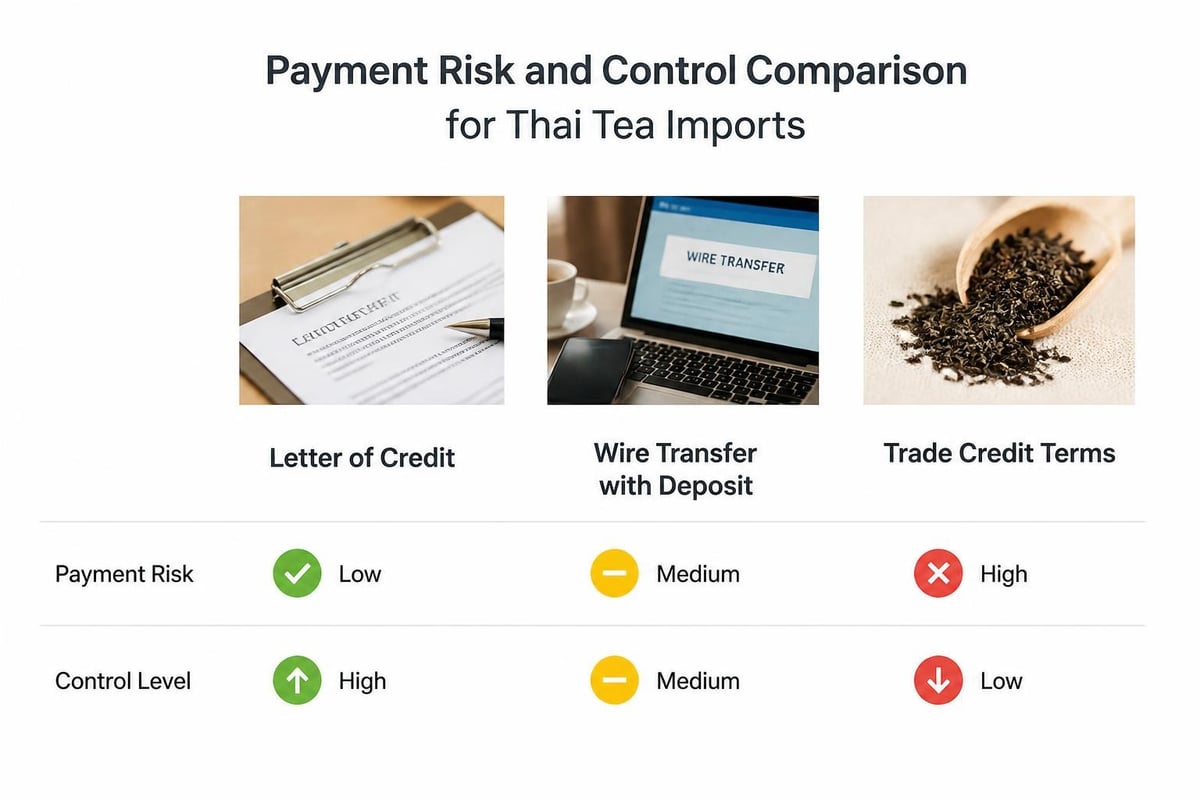
International trade payment mechanisms balance buyer and supplier risk:
Letter of Credit – Banks intermediate payment, releasing funds when suppliers present compliant documents. This method provides strong protection for both parties but incurs banking fees and requires precise document preparation.
Wire Transfer (T/T) – Direct bank transfers offer simplicity and lower costs. Terms typically involve partial prepayment (30% deposit) with balance upon shipment or receipt. Established relationships often progress to more favorable terms.
Trade Credit – Experienced suppliers with strong buyer relationships may extend credit terms allowing payment 30-90 days after shipment. This arrangement requires significant trust and usually follows successful transaction history.
Logistics and Supply Chain Considerations
Efficient logistics management ensures product quality preservation and cost-effective delivery from thai tea supplier facilities to buyer warehouses.
Shipping Methods and Transit Times
Ocean Freight – Container shipping represents the most economical option for volume tea imports. Full container loads (FCL) provide better unit economics and reduce handling risk compared to less-than-container (LCL) shipments. Transit times from Thai ports to major destinations range from 10-14 days (Asia), 18-25 days (North America), to 25-35 days (Europe).
Air Freight – Time-sensitive shipments or smaller trial orders may justify air transport despite significantly higher costs. Air freight reduces transit time to 3-7 days but typically costs 4-6 times ocean rates.
Packaging and Container Optimization
Proper packaging protects tea quality during transportation and storage. Tea products require protection from moisture, light, heat, and contamination. Multi-layer packaging typically includes:
- Primary packaging – Aluminum foil bags or food-grade plastic with oxygen barriers
- Secondary packaging – Cartons providing physical protection and branding
- Tertiary packaging – Palletization and container loading optimization
Professional suppliers optimize container loading to maximize space utilization while ensuring product protection. Standard calculations account for carton dimensions, stacking strength, and weight distribution to prevent damage during transit.
Building Long-Term Supplier Partnerships
Successful international trade relationships extend beyond transactional exchanges. Strategic buyers cultivate supplier partnerships that deliver sustained value and competitive advantages.
Communication and Relationship Management
Effective communication establishes the foundation for successful partnerships:
- Establish clear points of contact and escalation procedures
- Set expectations for response times and communication channels
- Schedule regular review meetings to discuss performance and opportunities
- Provide constructive feedback on quality, service, and market insights
- Share market trends and growth opportunities that benefit both parties
Cultural sensitivity enhances relationship quality. Understanding Thai business culture, which emphasizes respect, patience, and relationship-building, improves collaboration effectiveness. Small gestures like facility visits, shared meals, and personal relationship development yield long-term dividends.
Performance Monitoring and Continuous Improvement
Implement systematic supplier performance tracking:
- Quality metrics tracking defect rates, test results, and customer complaints
- Delivery performance measuring on-time shipment and lead time consistency
- Responsiveness evaluating communication quality and problem resolution
- Innovation assessing new product development and improvement suggestions
- Compliance monitoring certification maintenance and regulatory adherence
Regular performance reviews identify improvement opportunities and strengthen accountability. High-performing suppliers warrant preferential treatment through volume commitments, early payment, or exclusive arrangements.
Market Positioning and Customer Education
Successfully marketing Thai tea products requires understanding consumer perceptions and educational requirements.
Authenticity and Origin Stories
Consumers increasingly value product origin and authenticity. Thai tea products benefit from Thailand's positive country-of-origin associations with quality food, exotic flavors, and cultural richness. Effective marketing communicates origin stories, production methods, and cultural significance.
Buyers should work with suppliers to develop authentic narratives supported by verifiable facts. Avoid exaggerated claims or invented traditions that risk credibility damage if exposed.
Regulatory Compliance and Labeling
Product labeling must comply with destination market regulations while effectively communicating product attributes. Required label elements typically include:
- Product name and description
- Ingredient list in descending weight order
- Net weight or volume
- Manufacturer and importer contact information
- Country of origin
- Nutritional information (where required)
- Allergen declarations
- Storage instructions and best-before date
Many buyers request suppliers to produce labels meeting destination market requirements. However, final labeling responsibility rests with the importer, requiring careful review and legal compliance verification.
Social Responsibility and Ethical Sourcing
Contemporary buyers increasingly incorporate social and environmental considerations into supplier selection. Fairtrade standards for tea provide frameworks for evaluating labor practices, fair compensation, and community development.
Labor Standards and Working Conditions
Responsible thai tea suppliers demonstrate commitment to fair labor practices:
- Legal employment with proper documentation and contracts
- Fair wages meeting or exceeding minimum legal requirements
- Safe working conditions with appropriate protective equipment
- Reasonable working hours and overtime compensation
- Freedom of association and collective bargaining rights
- Prohibition of child labor and forced labor
Buyers can request facility audits, worker interviews, or third-party social compliance certifications to verify supplier practices.
Environmental Stewardship
Sustainable tea production addresses environmental impacts across cultivation, processing, and packaging:
- Pesticide reduction through integrated pest management
- Water conservation and effluent treatment systems
- Soil health preservation through organic matter management
- Energy efficiency in processing operations
- Sustainable packaging material selection
- Waste reduction and recycling programs
These practices align with corporate social responsibility goals while potentially reducing long-term production costs through resource efficiency.
Risk Management Strategies
International sourcing inherently involves various risks requiring proactive management strategies.
Supply Chain Disruption Mitigation
Single-source dependency creates vulnerability to supplier-specific disruptions. Risk mitigation approaches include:
- Dual sourcing – Maintain relationships with two qualified suppliers for critical products
- Safety stock – Hold additional inventory to buffer against supply interruptions
- Alternative specifications – Develop backup formulations using different ingredients or suppliers
- Geographic diversification – Consider suppliers in multiple production regions within Thailand
Quality Assurance and Product Liability
Product quality failures generate financial losses and reputation damage. Protection strategies include:
- Comprehensive quality agreements specifying standards and testing procedures
- Regular inspection and testing programs validating ongoing compliance
- Product liability insurance covering potential claims
- Clear contractual terms addressing quality failures and remediation
- Robust traceability systems enabling rapid identification of affected batches
Emerging Opportunities in Thai Tea Exports
The thai tea supplier sector continues evolving with new product development and market expansion opportunities.
Premium and Specialty Segments
Growing consumer sophistication drives demand for premium Thai tea products. Opportunities include single-origin teas with detailed provenance, organic certifications, artisanal processing methods, and innovative flavor combinations. These products command premium pricing while serving discerning consumer segments.
Functional and Wellness Applications
Thailand's herbal medicine traditions enable unique functional tea development combining traditional knowledge with modern wellness trends. Products incorporating turmeric, ginger, moringa, butterfly pea flower, and other Thai botanicals address consumer interests in natural health support.
Private Label and Contract Manufacturing
Thai suppliers increasingly offer private label services enabling buyers to develop branded products without manufacturing investment. Contract manufacturing capabilities range from simple repackaging to custom formulation development, providing flexibility for brand owners and retailers.
For importers building comprehensive Thai product portfolios, exploring the broader wholesale opportunities from established Thai exporters can reveal synergies across product categories.
Technology and Innovation in Tea Sourcing
Digital transformation affects how international buyers identify and manage thai tea supplier relationships.
Digital Sourcing Platforms
Online B2B marketplaces and supplier directories simplify initial supplier identification. However, buyers must exercise diligence as platform presence doesn't guarantee supplier quality or reliability. Use digital platforms for discovery while implementing thorough verification procedures before commitments.
Supply Chain Visibility Tools
Technology solutions enhance supply chain transparency and management:
- Blockchain traceability – Immutable records documenting product journey from origin to destination
- IoT monitoring – Sensors tracking temperature, humidity, and location during transportation
- Supplier portals – Centralized platforms managing orders, documents, and communication
- Quality management systems – Digital documentation of testing, inspections, and compliance
Selecting the right thai tea supplier requires systematic evaluation of quality capabilities, export experience, compliance knowledge, and partnership potential. International buyers who invest time in supplier research, conduct thorough due diligence, and build collaborative relationships position themselves for long-term sourcing success. Whether you're seeking traditional Thai tea mixes, specialty northern Thai teas, or innovative herbal blends, Thailand offers diverse supplier options to match various market positioning strategies. BUARADA specializes in connecting international buyers with reliable Thai product suppliers, offering comprehensive export support and quality verification for wholesale sourcing from Thailand.