

Thailand has established itself as a leading global source for premium dried fruits, with international buyers increasingly seeking reliable partnerships with Thai producers. Working with a professional thai dried fruit supplier opens access to high-quality tropical fruits processed under stringent food safety standards and backed by decades of agricultural expertise. International wholesalers, distributors, and importers recognize that Thailand's combination of favorable climate, advanced processing facilities, and export infrastructure creates unique advantages for sourcing dried mango, longan, papaya, and other tropical varieties. This guide provides practical insights for businesses evaluating Thai suppliers and establishing successful long-term sourcing relationships.
Understanding Thailand's Dried Fruit Export Market
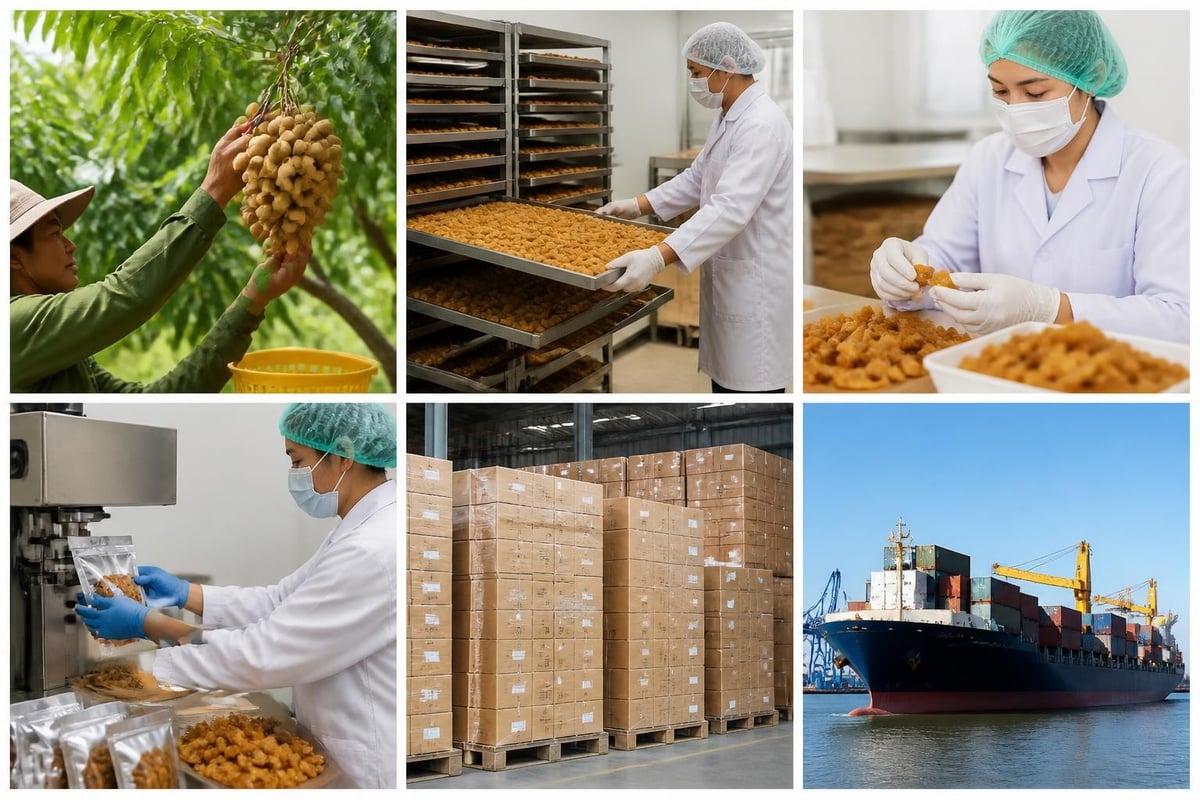
Thailand's dried fruit sector has experienced remarkable growth over the past decade. According to Thailand Foreign Trade Statistics, dried longan exports alone reached significant volumes, demonstrating the country's capacity to serve international markets consistently. The industry benefits from Thailand's position as one of the world's top producers of tropical fruits, with processing facilities located near growing regions to ensure freshness and quality.
When evaluating a thai dried fruit supplier, importers should understand the market structure. Thailand's dried fruit industry includes both large-scale commercial processors and smaller specialized producers. Large facilities often handle multiple fruit varieties with automated processing lines, while boutique producers may focus on specific fruits or organic certifications. Both models serve different buyer needs, from high-volume retail distribution to specialty health food markets.
Key Dried Fruit Varieties from Thailand
Thai suppliers offer an extensive range of dried fruits that appeal to international markets:
- Dried Mango: Sweet, fiber-rich varieties like Nam Dok Mai and Mahachanok
- Dried Longan: Popular in Asian markets, known for natural sweetness and nutritional value
- Dried Papaya: Vibrant color and tropical flavor for snacking and food manufacturing
- Dried Banana: Multiple varieties including cultivar-specific chips and slices
- Dried Pineapple: Both sweetened and unsweetened options for diverse applications
- Dried Tamarind: Unique sweet-sour profile used in confectionery and cooking
- Dried Coconut: Chips, flakes, and specialty products
The rising Thai dried-fruit exports reflect growing global demand, particularly from China, Europe, and North America. Each market segment has distinct preferences regarding sugar content, moisture levels, and packaging formats that experienced suppliers understand and accommodate.
Quality Standards and Certifications
Food safety compliance represents a non-negotiable requirement when selecting a thai dried fruit supplier. Thailand maintains comprehensive agricultural standards through the Agricultural and Food Standards Office, which establishes mandatory requirements for processing, handling, and labeling. Suppliers must demonstrate compliance with these national standards as a baseline for export eligibility.
Critical Compliance Areas
International buyers should verify that Thai suppliers meet these essential standards:
| Compliance Area | Key Requirements | Verification Method |
|---|---|---|
| GMP (Good Manufacturing Practice) | Facility hygiene, process control, personnel training | On-site audit, certification documents |
| HACCP | Hazard analysis, critical control points, monitoring systems | Third-party certification, process documentation |
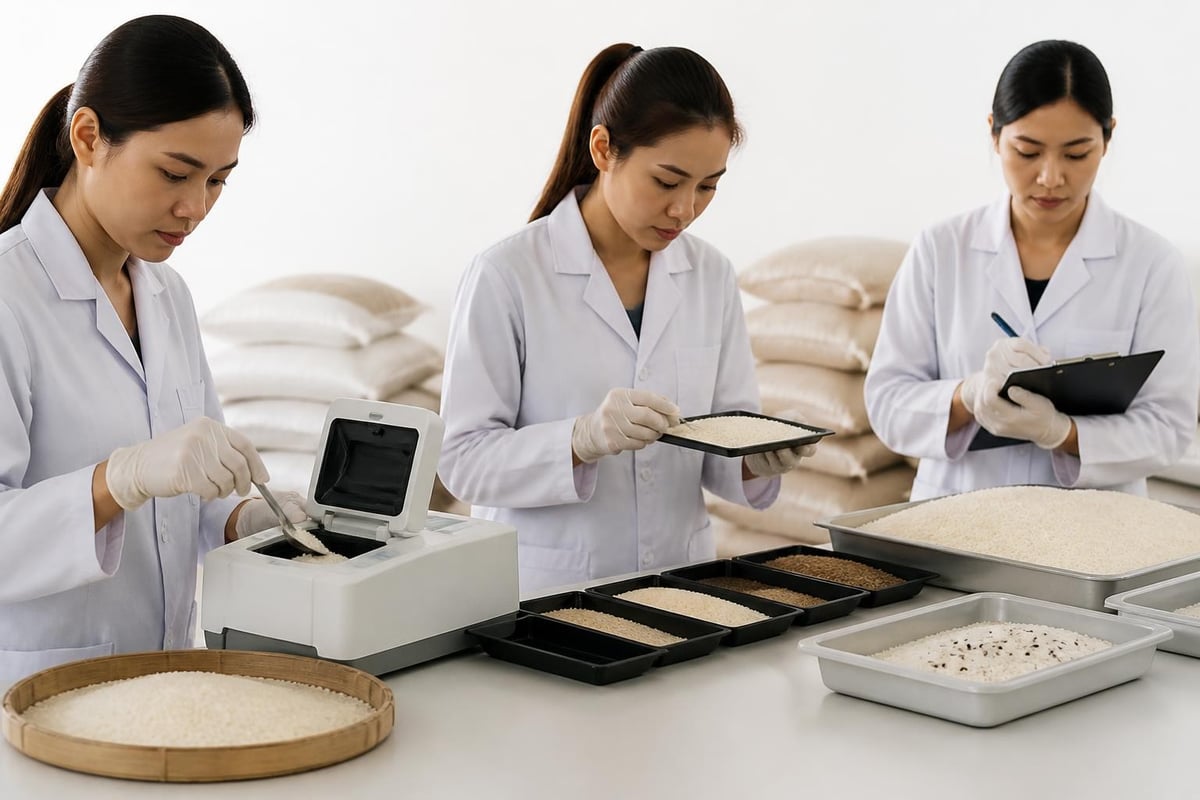
| Food Safety Standards | Contaminant limits, pesticide residues, microbiological criteria | Laboratory test reports, batch certificates |
| Traceability | Lot tracking from farm to export | System demonstration, documentation review |
| Labeling Compliance | Nutritional information, allergen declarations, origin marking | Sample review, regulatory verification |
The Codex Alimentarius General Standard for Contaminants provides international reference points for maximum limits on contaminants and toxins in dried fruits. Professional Thai suppliers maintain testing protocols that meet or exceed these standards, ensuring products clear customs in major import markets without delays.
Emerging Food Safety Considerations
The dried fruit industry faces evolving food safety challenges. Recent Codex work on ochratoxin A in dried fruits highlights ongoing international efforts to address mycotoxin risks in dried products. A forward-thinking thai dried fruit supplier invests in preventive measures including proper drying techniques, moisture control, and storage management to minimize these risks before they occur.
For buyers targeting European markets, the CBI market-entry requirements for dried tropical fruit provide detailed guidance on EU-specific requirements. These include stricter contaminant limits, organic certification expectations, and sustainability documentation that go beyond baseline international standards.
Evaluating Supplier Capabilities
Selecting the right thai dried fruit supplier requires systematic evaluation across multiple dimensions. Price competitiveness matters, but long-term partnerships depend on operational reliability, quality consistency, and problem-solving capabilities when issues arise.
Production Capacity and Flexibility
- Seasonal Production Planning: Understand the supplier's harvest calendar and peak processing periods
- Volume Scalability: Confirm ability to increase production for growing accounts
- Multi-Product Capability: Assess whether the supplier handles multiple fruit types or specializes
- Custom Processing: Determine flexibility for specific cuts, moisture levels, or formulations
- Inventory Management: Evaluate warehousing capacity for year-round supply continuity
Professional suppliers provide transparent capacity information and realistic lead times. They communicate proactively about seasonal constraints and offer alternatives when specific varieties face supply limitations.
Supply Chain Transparency
Modern importers increasingly demand full visibility into product origins and processing methods. Thailand's adoption of GS1 traceability standards demonstrates the country's commitment to international supply chain best practices. A capable thai dried fruit supplier should provide:
- Farm or orchard source documentation
- Processing date and batch information
- Quality inspection records
- Storage condition logs
- Export certification and customs documentation
This transparency protects both parties by enabling rapid response to any quality concerns and demonstrating due diligence for food safety compliance.
Processing Methods and Product Specifications
The drying method significantly impacts final product quality, shelf life, and market suitability. Thai suppliers employ various processing techniques, each with distinct characteristics:
Sun Drying: Traditional method used for certain products; lower cost but longer processing time and weather-dependent. Best for products where traditional appearance matters.
Hot Air Drying: Most common commercial method; consistent results, good color retention, controlled moisture removal. Suitable for most fruit varieties and market segments.
Freeze Drying: Premium process preserving maximum nutrients, flavor, and structure; higher cost but superior rehydration properties. Preferred for health food markets and high-end applications.
Vacuum Drying: Advanced technique for temperature-sensitive fruits; excellent quality but higher investment required. Used by suppliers targeting premium segments.
When discussing specifications with a thai dried fruit supplier, buyers should establish clear parameters:
- Target moisture content (typically 18-22% for most dried fruits)
- Sugar content (natural vs. sweetened products)
- Sulfite use (if any, for color preservation)
- Piece size and uniformity requirements
- Packaging format and materials
- Shelf life expectations under defined storage conditions
Navigating Export Documentation and Logistics
Successful dried fruit imports require meticulous attention to documentation and regulatory compliance. Thai suppliers experienced in international trade streamline this process by maintaining required certifications and preparing documentation accurately.
Essential Export Documents
- Phytosanitary Certificate: Issued by Thai Department of Agriculture, confirms plant health standards
- Health Certificate: Verifies food safety compliance and processing facility approval
- Certificate of Origin: Documents Thai origin for customs and preferential tariff treatment
- Commercial Invoice and Packing List: Standard trade documents with accurate product descriptions
- Bill of Lading or Airway Bill: Transportation documents from logistics provider
For buyers working with Thai Food & Beverage Products suppliers across multiple product categories, establishing standardized documentation procedures creates efficiency across the entire import portfolio. The same quality assurance principles apply whether sourcing dried fruits, ingredients, or other food products from Thailand.
Incoterms and Shipping Considerations
Clear agreement on Incoterms prevents misunderstandings about cost responsibility and risk transfer. Common terms for dried fruit imports include:
| Incoterm | Seller Responsibility | Buyer Responsibility | Best For |
|---|---|---|---|
| FOB (Free on Board) | Delivery to departure port, export clearance | International shipping, insurance, import clearance | Buyers with established logistics partners |
| CIF (Cost, Insurance, Freight) | Delivery to destination port, insurance | Import clearance, inland transport | Buyers preferring turnkey delivery |
| DDP (Delivered Duty Paid) | Complete delivery including duties | Receive goods at specified location | Buyers wanting maximum supplier responsibility |
Container loading represents another critical consideration. Dried fruits typically ship in corrugated cartons or multi-wall bags, with careful attention to moisture protection through inner liners or desiccants. A professional thai dried fruit supplier calculates optimal container utilization while maintaining proper stacking patterns to prevent damage during transit.
Building Long-Term Supplier Relationships
Sustainable partnerships between importers and Thai suppliers depend on mutual understanding and aligned expectations. The most successful relationships evolve beyond transactional interactions into strategic collaborations.
Communication Best Practices
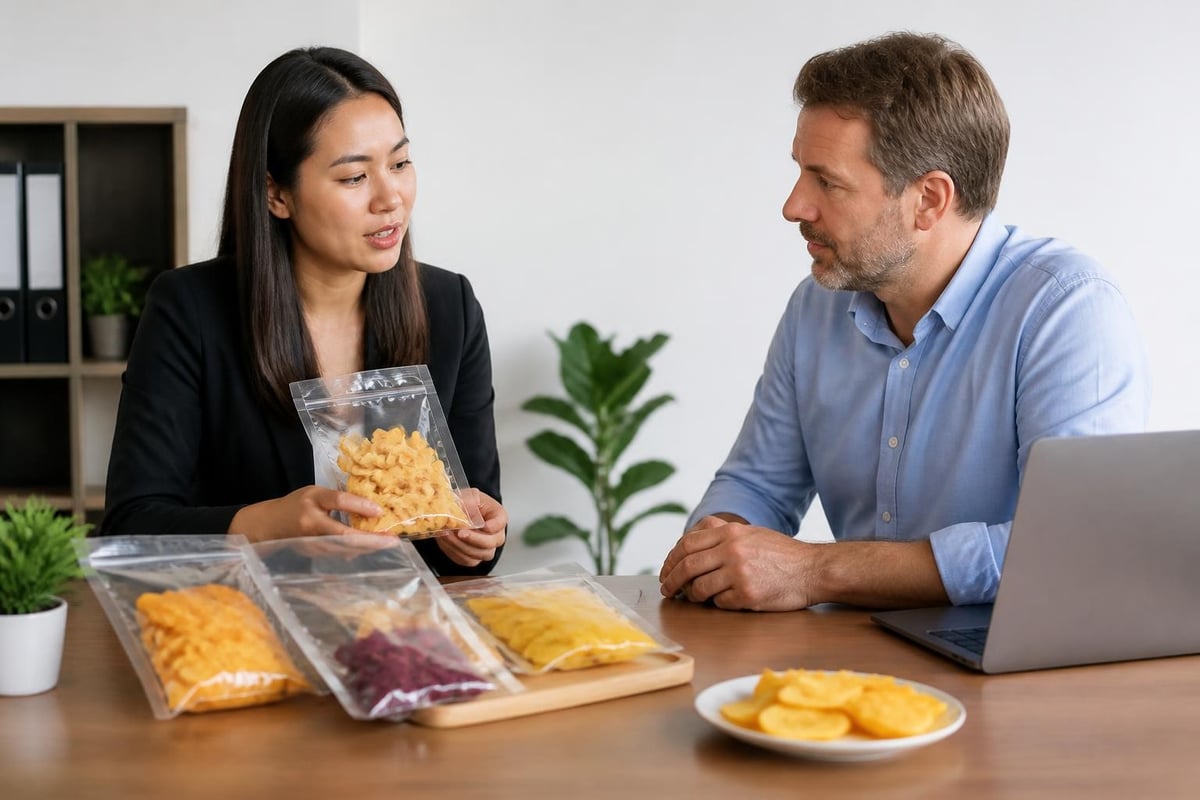
Effective communication protocols establish clear channels for order management, quality feedback, and problem resolution:
- Designate primary contacts on both sides for continuity
- Establish regular communication schedules for order reviews and market updates
- Use written confirmations for all specification changes or special requirements
- Provide prompt feedback on received shipments, both positive and negative
- Share market intelligence that helps suppliers understand buyer market dynamics
Thai business culture values relationship-building and mutual respect. While professional and results-oriented, successful buyers invest time in understanding their supplier's capabilities, constraints, and business objectives.
Quality Feedback Loops
Constructive quality feedback helps thai dried fruit supplier operations improve continuously. Rather than generic complaints, specific feedback produces better results:
Less Effective: "Quality was not good"
More Effective: "Moisture content in batch TH-2026-10-15 measured 24% upon arrival vs. 20% specification. This affected texture and may impact shelf life. Please review drying process parameters and confirm corrective actions."
Documentation with photos, test results, or specific measurements enables suppliers to diagnose issues accurately and implement effective solutions.
Market Trends Shaping Thai Dried Fruit Supply
Understanding market dynamics helps importers make informed sourcing decisions and identify growth opportunities. Several trends are reshaping the dried fruit category in 2026.
Health and Wellness Positioning
Consumer awareness of dried fruits as nutrient-dense, convenient snacks continues expanding globally. This creates opportunities for positioning Thai dried fruits in health food channels, organic retailers, and functional food applications. Suppliers responding to this trend invest in:
- Organic certification for chemical-free production
- Low-sugar or no-added-sugar processing methods
- Transparent sourcing and sustainability documentation
- Superfood positioning for specific fruit varieties
- Innovative packaging emphasizing health benefits
Sustainability and Ethical Sourcing
International buyers increasingly require evidence of sustainable and socially responsible sourcing practices. Progressive Thai suppliers demonstrate commitment through:
- Fair trade certification or equivalent farmer welfare programs
- Environmental management systems reducing water and energy use
- Waste reduction initiatives utilizing fruit processing byproducts
- Renewable energy adoption in processing facilities
- Supply chain transparency showing farmer-to-export traceability
These initiatives align with corporate social responsibility objectives while differentiating products in competitive markets.
Product Innovation and Customization
Beyond standard dried fruit offerings, innovative suppliers develop value-added products meeting specific market needs:
- Fruit blends combining complementary flavors and nutritional profiles
- Ingredient-grade products for food manufacturers (purees, powders, pieces)
- Snack combinations with nuts, seeds, or other additions
- Organic or specialty variety fruits with unique characteristics
- Custom moisture levels or piece sizes for specific applications
Working with a thai dried fruit supplier capable of customization enables importers to develop differentiated product lines rather than competing solely on commodity pricing.
Due Diligence and Supplier Verification
Before committing to significant order volumes, prudent buyers conduct thorough due diligence to verify supplier capabilities and credentials. This investment in upfront verification prevents costly problems later.
Verification Steps
-
Documentation Review: Examine business licenses, export licenses, facility permits, and certifications. Cross-reference with Thai Agricultural and Food Standard requirements to confirm current compliance.
-
Facility Inspection: Visit processing facilities personally or engage third-party auditors to assess operations, hygiene practices, equipment condition, and management systems.
-
Reference Checks: Contact existing international customers to understand their experience with quality consistency, communication, and problem resolution.
-
Sample Testing: Conduct comprehensive laboratory testing of product samples for microbiological safety, pesticide residues, heavy metals, and nutritional composition.
-
Financial Stability: Review financial information or credit reports to assess business viability and capacity to fulfill large commitments.
Trial Order Approach
Rather than placing large initial orders, experienced importers use structured trial periods:
- Initial Sample Order: Small quantity to evaluate product quality and documentation accuracy
- First Commercial Order: Moderate volume to test order fulfillment, timing, and communication
- Quality Verification: Thorough testing and market feedback on first shipment
- Gradual Volume Increase: Progressive growth based on demonstrated performance
This staged approach minimizes risk while building confidence in the supplier relationship.
Pricing Structures and Payment Terms
Dried fruit pricing reflects multiple variables including raw material costs, processing method, quality grade, packaging specifications, and order volume. Understanding pricing components helps buyers evaluate quotations and negotiate effectively.
Pricing Factors
Raw Material Costs: Seasonal availability and crop yields directly impact fruit costs. Thai suppliers typically quote prices valid for specific periods, with renegotiation clauses for significant market changes.
Processing Complexity: Basic drying costs less than freeze-drying or specialty processes. Custom specifications requiring extra processing steps command premium pricing.
Quality Grade: Export-grade products meeting strict specifications cost more than lower grades suitable for industrial processing.
Packaging: Standard bulk packaging provides lowest cost per kilogram, while retail-ready packaging adds material and labor costs.
Order Volume: Larger quantities generally secure better pricing through production efficiency and reduced per-unit overhead.
Payment Terms and Trade Finance
Standard payment terms for Thai dried fruit suppliers vary based on relationship maturity and order size:
- Letter of Credit (L/C): Provides security for both parties; common for new relationships or large orders
- 50% Deposit / 50% Before Shipment: Balanced approach sharing risk between buyer and supplier
- Net 30-60 Days: Extended terms offered to established customers with proven payment history
- Consignment: Rare in dried fruit trade except for very established partnerships
Payment method selection balances risk management, cash flow impact, and relationship development objectives.
Regulatory Compliance Across Target Markets
Each destination market imposes specific import requirements that thai dried fruit supplier operations must accommodate. Buyers should clearly communicate their target markets so suppliers prepare appropriate documentation and product configurations.
Major Market Requirements
United States: FDA registration, FSMA compliance, country of origin labeling, nutritional facts panel meeting US format requirements.
European Union: Health certificate from competent Thai authority, compliance with EU contaminant limits (often stricter than Codex), traceability documentation, organic certification if applicable.
China: Product registration with GACC, Chinese-language labeling, specific documentation requirements, potential facility inspection or approval requirements.
Australia/New Zealand: Biosecurity clearance, compliance with FSANZ food standards, declared quarantine items properly documented.
Middle East: Halal certification (typically from Islamic Council of Thailand), Arabic labeling where required, specific documentation authenticated by Thai authorities.
Experienced suppliers maintain current knowledge of these requirements and adapt documentation and processes accordingly. However, importers should verify current regulations independently, as requirements evolve frequently.
Integration with Broader Thai Product Sourcing
Many international buyers source multiple product categories from Thailand to optimize logistics and leverage supplier relationships across a broader portfolio. Dried fruits often complement other Thai products in distribution channels:
Retailers carrying Thai food products benefit from offering dried fruits alongside curry pastes, rice, noodles, and condiments. Health food distributors combine dried fruits with Thai herbal and wellness products to create comprehensive natural product assortments. Hotel and food service operators source dried fruits for breakfast buffets, desserts, and culinary applications alongside other Thai ingredients.
Working with a comprehensive Thai product exporter that offers dried fruits as part of a broader product portfolio can streamline procurement, consolidate shipments, and simplify supplier management. This approach particularly benefits buyers seeking multiple Thai product categories rather than dried fruits exclusively.
Technology and Digital Commerce
Forward-thinking thai dried fruit supplier businesses embrace digital tools that enhance customer service and operational efficiency. International buyers should consider suppliers' technological capabilities:
- Online Product Catalogs: Detailed specifications, certifications, and technical data accessible 24/7
- Digital Sample Ordering: Streamlined processes for requesting and tracking product samples
- Order Management Systems: Real-time order status, shipment tracking, and documentation access
- Quality Documentation Portals: Digital access to certificates of analysis, inspection reports, and compliance documents
- Communication Platforms: Efficient channels for quotations, technical inquiries, and support
While personal relationships remain essential in Thai business culture, digital capabilities indicate operational sophistication and commitment to international best practices.
Sourcing quality dried fruits from Thailand requires careful supplier selection, clear communication about specifications and compliance requirements, and investment in relationship building for long-term success. International buyers who conduct thorough due diligence, understand Thai agricultural standards, and establish transparent quality expectations position themselves to access Thailand's exceptional dried fruit offerings competitively. Whether you're a distributor, retailer, wholesaler, or food manufacturer, partnering with BUARADA connects you with reliable Thai suppliers and comprehensive export support for dried fruits and the full range of authentic Thai products your markets demand.