

International buyers increasingly prioritize natural personal care products, and Thailand has emerged as a strategic sourcing destination for handcrafted, botanical-based soap. A reliable thai natural soap supplier can provide access to authentic formulations using indigenous ingredients like coconut oil, tamarind, turmeric, lemongrass, and jasmine rice. For importers, wholesalers, and distributors seeking to add premium natural soap to their product portfolios, understanding the Thai supplier landscape, regulatory framework, quality benchmarks, and export logistics is essential for building profitable, sustainable partnerships in 2026.
Why Thailand Leads Natural Soap Manufacturing
Thailand's position as a preferred thai natural soap supplier hub stems from multiple competitive advantages. The country possesses abundant botanical resources, centuries-old traditional soap-making knowledge, and a robust manufacturing infrastructure that serves both artisan producers and commercial-scale operations.
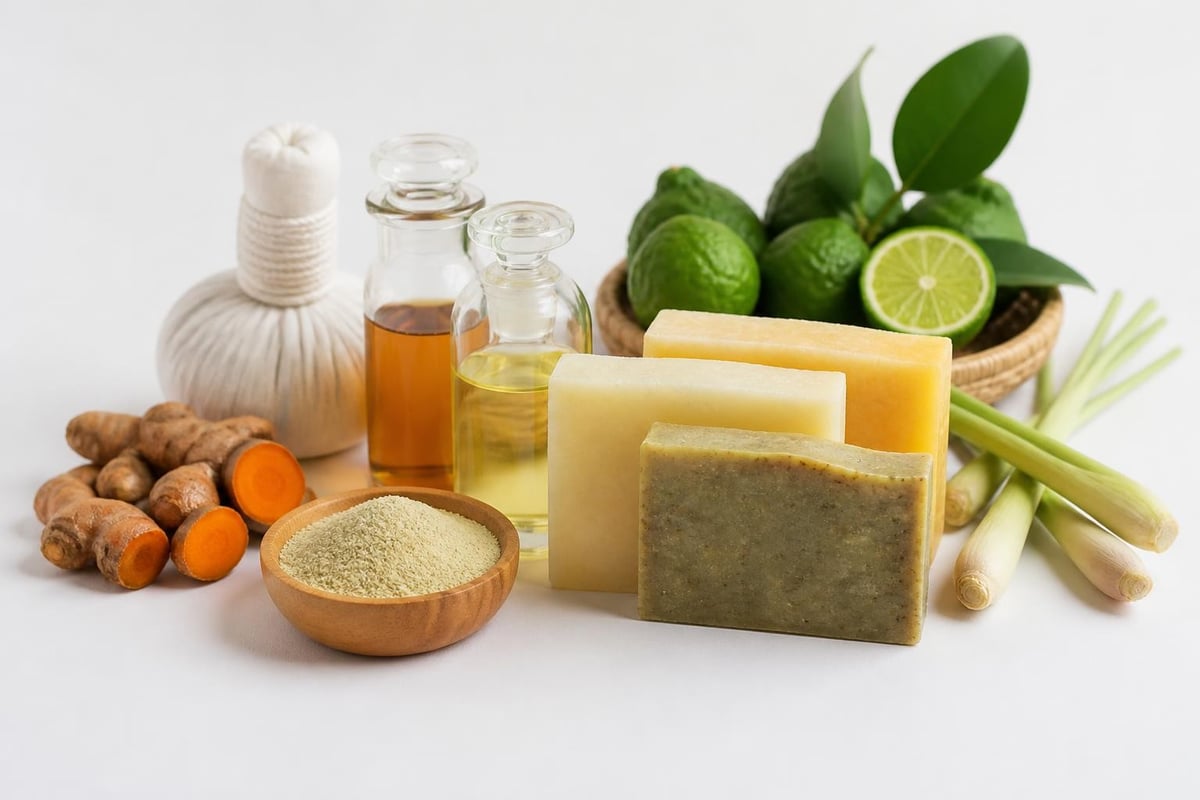
Natural Ingredient Availability
Thai suppliers have direct access to high-quality raw materials:
- Coconut oil: Extracted from local plantations, serving as the primary saponification base
- Herbal extracts: Turmeric, moringa, butterfly pea, and lemongrass sourced from domestic farms
- Essential oils: Citronella, kaffir lime, Thai basil, and jasmine produced regionally
- Natural exfoliants: Rice bran, tamarind seed powder, and coffee grounds from agricultural processing
The vertical integration of ingredient sourcing to finished product manufacturing reduces costs while maintaining transparency throughout the supply chain. Many Thai producers operate near agricultural regions, ensuring freshness and traceability that international buyers increasingly demand.
Manufacturing Expertise and Scale Options
Thailand supports diverse production models suitable for different buyer requirements. Small-batch artisan producers specialize in handcrafted, premium-positioned natural soaps with unique formulations and aesthetic presentation. Mid-scale manufacturers balance traditional methods with semi-automated processing, delivering consistent quality at competitive wholesale prices. Large commercial facilities offer high-volume production capabilities, private labeling, and customization services for international retailers and distributors.
This manufacturing diversity enables buyers to select a thai natural soap supplier that aligns with their specific market positioning, volume requirements, and budget parameters.
Regulatory Compliance and Export Standards
Understanding Thailand's regulatory framework for cosmetic products, including soap, is critical for importers planning international distribution. The Thai FDA (Food and Drug Administration) oversees cosmetic product registration, classification, and export documentation requirements.
Thai FDA Requirements for Soap Exports
| Requirement Type | Scope | Documentation Needed |
|---|---|---|
| Product Notification | Cosmetic soap (contains therapeutic claims) | Formula disclosure, safety assessment, manufacturer license |
| Non-Notification | General cleansing soap (no claims) | Manufacturing certification, ingredient declaration |
| Export Certificate | For customs clearance | FDA-issued export permit, product registration proof |
| GMP Compliance | Manufacturing standards | Factory inspection certificate, quality control records |
Buyers should verify that their chosen thai natural soap supplier maintains current FDA registrations and can provide authenticated export certificates. This documentation streamlines customs procedures in destination markets and demonstrates regulatory compliance to downstream distributors and retailers.
International Safety and Fragrance Standards
Reputable Thai suppliers increasingly align with global standards beyond local requirements. The IFRA (International Fragrance Association) publishes safety guidelines for fragrance materials and natural extracts used in soap formulations. Suppliers adhering to IFRA standards ensure that essential oils and botanical fragrances meet international safety thresholds for skin contact products.
For buyers targeting European, North American, or Australian markets, confirming IFRA compliance, allergen labeling practices, and prohibited substance exclusion becomes essential for regulatory approval in destination countries.
Evaluating Thai Natural Soap Suppliers
Selecting the right manufacturing partner requires systematic assessment across quality, capacity, compliance, and communication dimensions.
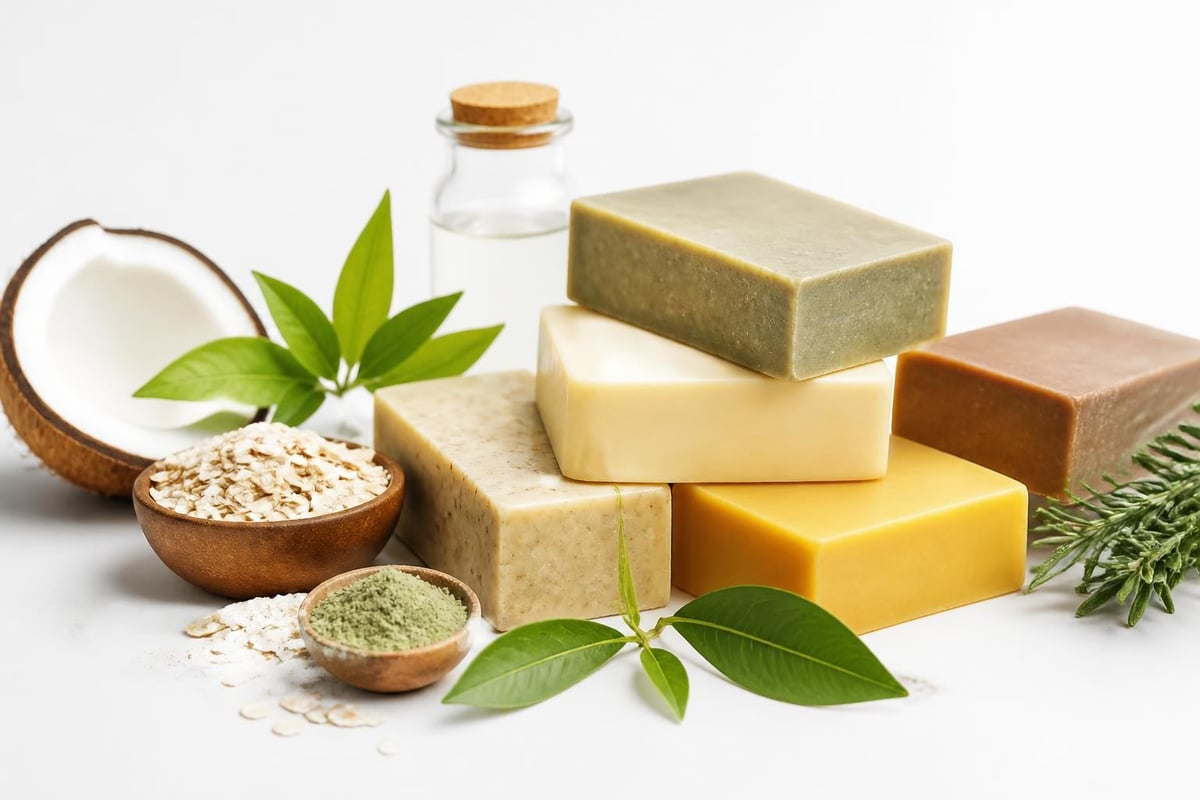
Quality Verification Methods
- Factory audits: Schedule on-site or virtual facility inspections to evaluate manufacturing conditions, ingredient storage, and hygiene protocols
- Sample testing: Request pre-production samples for laboratory analysis of pH levels, moisture content, and microbial load
- Ingredient traceability: Verify certificates of analysis (COA) for raw materials, especially organic certifications for botanical ingredients
- Production records: Review batch documentation, quality control test results, and non-conformance management procedures
International buyers should request comprehensive quality documentation before committing to large purchase orders. Established Thai suppliers maintain organized quality management systems and readily provide verification materials to serious business partners.
Capacity and Customization Capabilities
Understanding production capacity prevents supply chain disruptions and ensures alignment with growth projections:
| Capacity Factor | Questions to Ask | Typical Ranges |
|---|---|---|
| Monthly output | How many units per month? | 5,000-500,000 pieces depending on scale |
| Minimum order quantity | What is the MOQ per SKU? | 500-5,000 pieces for custom formulations |
| Lead time | Production to shipping duration? | 4-12 weeks depending on complexity |
| Customization scope | Private labeling, formula modification? | Label/packaging to full custom formulation |
Buyers pursuing Thai beauty & personal care products for wholesale distribution should confirm that suppliers can accommodate branding requirements, packaging specifications, and formula adjustments while maintaining minimum order commitments that align with market entry strategies.
Sustainable Sourcing and Certifications
Environmental consciousness increasingly influences purchasing decisions in natural personal care markets. Thai suppliers responding to this trend pursue certifications and adopt sustainable practices that add value for eco-focused buyers.
Relevant Sustainability Certifications
Buyers should inquire about the following certifications when evaluating a thai natural soap supplier:
- Organic certifications: USDA Organic, EU Organic, or Thai Organic Agriculture standards for ingredient sourcing
- Cruelty-free verification: Leaping Bunny or PETA certification confirming no animal testing
- Palm oil sustainability: RSPO certification for palm-derived ingredients (relevant for many natural soap formulations)
- Fair trade: For suppliers sourcing from smallholder farmer cooperatives
- Carbon neutrality: Emerging certifications addressing manufacturing environmental impact
The RSPO (Roundtable on Sustainable Palm Oil) provides resources and certification pathways for suppliers using palm oil or its derivatives in soap production. Given palm oil's prevalence in soap manufacturing, RSPO certification demonstrates commitment to deforestation-free supply chains and ethical sourcing.
Environmental Production Practices
Beyond formal certifications, sustainable Thai suppliers implement operational practices that reduce environmental footprint:
- Cold-process soap making to minimize energy consumption
- Wastewater treatment systems for manufacturing effluent
- Biodegradable packaging materials for retail presentation
- Solar power integration in production facilities
- Local ingredient sourcing to reduce transportation emissions
Buyers targeting environmentally conscious consumer segments should document these practices for marketing authenticity and brand storytelling in destination markets.
Thai Natural Soap Export Market Overview
Thailand's natural soap export sector demonstrates consistent growth, supported by increasing global demand for clean beauty products and botanical personal care items. According to World Bank trade data, Thailand exports soap and organic surface-active products to diverse international markets, with growth trajectories in North America, Europe, and Asia-Pacific regions.
Primary Export Destinations
Thai natural soap reaches global markets through established trade channels:
- United States and Canada: Premium positioning in specialty retailers and natural product stores
- European Union: Strong demand for certified organic and sustainable personal care products
- Australia and New Zealand: Growing natural beauty market with preference for Asian botanical ingredients
- Middle East: Halal-certified natural soap for Muslim-majority markets
- East Asia: Japan, South Korea, and China seeking authentic Thai herbal formulations
Buyers in these markets benefit from Thailand's export infrastructure, including established freight forwarding services, customs expertise, and documentation support from experienced suppliers.
Competitive Pricing Advantages
Thailand offers competitive wholesale pricing compared to Western natural soap manufacturers while maintaining quality standards:
| Product Category | Thai FOB Price Range (USD/unit) | Comparable Western Price |
|---|---|---|
| Artisan handcrafted soap (100g) | $1.50-$3.50 | $4.00-$8.00 |
| Commercial natural soap (100g) | $0.80-$1.80 | $2.50-$5.00 |
| Luxury botanical soap (100g) | $3.00-$6.00 | $8.00-$15.00 |
| Private label production | 20-40% below Western rates | Baseline comparison |
These pricing advantages enable importers and distributors to achieve healthy margins while offering competitive retail prices in destination markets. Cost efficiency stems from lower labor costs, abundant local ingredients, and optimized manufacturing processes in Thailand's established personal care production sector.
Logistics and Import Considerations
Successful international sourcing from a thai natural soap supplier requires careful planning around shipping methods, import duties, and quality preservation during transit.
Shipping and Freight Options
Thai suppliers typically offer flexible shipping arrangements:
- Sea freight: Most cost-effective for container loads (20ft or 40ft), 3-6 week transit
- Air freight: Faster delivery (5-10 days) for urgent orders or initial trial shipments
- Consolidated shipping: LCL (less than container load) for smaller order volumes
- Door-to-door logistics: Comprehensive service including customs clearance and final delivery
Buyers should discuss Incoterms clearly with suppliers to define responsibility boundaries for shipping costs, insurance, and customs clearance. FOB (Free on Board) and CIF (Cost, Insurance, Freight) are common terms in Thai exports, with different implications for buyer responsibilities and total landed costs.
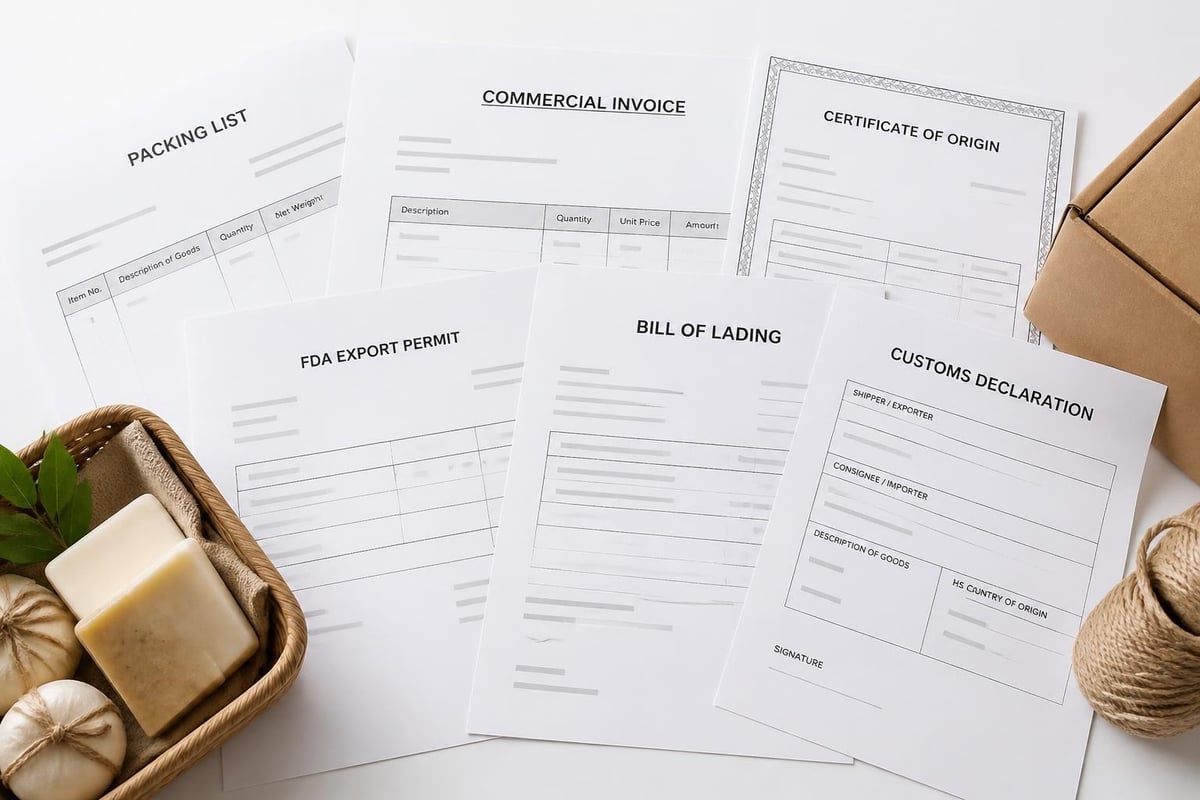
Import Duties and Regulations
Before committing to purchase orders, importers must research destination country requirements:
- Harmonized tariff codes: Classify natural soap correctly for duty calculation (typically HS code 3401.11 or 3401.19)
- Import duties: Vary by destination country, ranging from 0-15% for soap products
- Cosmetic registration: Some markets require pre-market notification or registration (EU, Australia, certain Middle Eastern countries)
- Labeling compliance: Ingredient declaration, country of origin, safety warnings in local language
Working with an experienced thai natural soap supplier familiar with international export documentation streamlines this process significantly. Established exporters maintain relationships with customs brokers and can provide guidance on destination-specific compliance requirements.
Product Innovation and Market Trends
Thai natural soap manufacturers continuously innovate to meet evolving consumer preferences and market opportunities in international markets.
Trending Formulations and Ingredients
Current market demand focuses on specific functional benefits and ingredient stories:
- Activated charcoal detox soaps: Purifying formulations for urban pollution exposure
- Turmeric and honey brightening bars: Addressing pigmentation and skin tone evening
- Coconut milk moisturizing soaps: Intensive hydration for dry skin conditions
- Lemongrass and citronella insect-repellent soaps: Dual-purpose cleansing and protection
- Rice milk and jasmine luxury soaps: Premium positioning with cultural authenticity
Suppliers offering these trending formulations provide buyers with market-ready products that align with consumer search patterns and purchasing behavior in natural personal care categories.
Private Labeling and Brand Development
Many international buyers leverage Thai manufacturing expertise while building proprietary brands:
Private label services typically include:
- Custom formulation development based on target market preferences
- Brand-specific packaging design and production
- Minimum order quantities negotiated based on SKU complexity
- Exclusive distribution rights in specific geographic markets
- Ongoing product development and seasonal variant creation
This business model enables retailers, boutique hotels, spas, and wellness centers to offer signature natural soap products without investing in manufacturing infrastructure. A flexible thai natural soap supplier becomes a strategic partner in brand development and market differentiation.
Quality Control and Testing Protocols
Professional Thai suppliers implement rigorous testing to ensure product safety, consistency, and compliance with international standards.
Pre-Production Quality Measures
- Raw material testing: COA verification, purity analysis, and contamination screening
- Formula stability testing: Accelerated aging to predict shelf life under various conditions
- pH optimization: Ensuring skin-compatible pH levels (typically 8-10 for soap, lower for syndet bars)
- Microbial challenge testing: Preservative efficacy and contamination resistance
In-Process and Final Product Controls
Quality checkpoints throughout manufacturing maintain batch consistency:
- Saponification monitoring: Temperature control and complete oil conversion verification
- Curing process management: Controlled humidity and temperature for proper hardening (4-6 weeks for cold process)
- Weight and dimension verification: Ensuring specification compliance for packaging compatibility
- Visual inspection: Color consistency, surface defects, and aesthetic quality assessment
- Final performance testing: Lather quality, fragrance retention, and skin feel evaluation
Buyers should request detailed quality control documentation and batch testing certificates with each shipment. Established suppliers maintain comprehensive records that support traceability and facilitate rapid response to any quality concerns.
Building Long-Term Supplier Partnerships
Successful international sourcing relationships extend beyond transactional purchase orders to strategic partnerships that support mutual growth.
Communication Best Practices
Effective communication foundations include:
- Clear specifications: Detailed product briefs with formulation requirements, packaging specs, and quality parameters
- Regular updates: Scheduled communication on order status, production progress, and shipping arrangements
- Cultural awareness: Understanding Thai business etiquette, holiday schedules, and decision-making processes
- Technical alignment: Ensuring both parties understand testing methods, quality standards, and acceptance criteria
Most professional Thai suppliers maintain English-speaking sales and export teams, but clarity in written specifications prevents misunderstandings that could delay production or compromise quality.
Negotiation and Pricing Strategies
Building favorable commercial terms requires professional negotiation:
| Negotiation Element | Approach | Typical Outcomes |
|---|---|---|
| Volume discounts | Commit to annual quantities | 5-15% reduction at scale |
| Payment terms | Build trust before requesting credit | Initial L/C, progress to 30-60 day terms |
| Exclusivity | Offer market exclusivity in exchange for volume | Territorial protection clauses |
| Product development | Share market insights for collaborative innovation | Custom formulations, trend responsiveness |
A professional thai natural soap supplier values long-term relationships and will invest in partnership development with buyers demonstrating serious commitment and growth potential.
Due Diligence and Risk Mitigation
International sourcing carries inherent risks that careful due diligence and protective measures can substantially reduce.
Supplier Verification Methods
Before significant financial commitment, buyers should:
- Verify business registration: Confirm legal entity status and operating licenses through Thai government databases
- Check export history: Request references from existing international customers
- Review financial stability: Assess company longevity, facility investment, and operational scale
- Conduct background checks: Use third-party verification services for supplier credibility assessment
Protective Business Practices
- Start with small trial orders: Test product quality, communication responsiveness, and delivery reliability before large commitments
- Use secure payment methods: Letter of credit for initial transactions, escrow services for new relationships
- Implement inspection protocols: Third-party pre-shipment inspection for quality verification
- Establish clear contracts: Written agreements covering specifications, quality standards, delivery terms, and dispute resolution
These protective measures build confidence in new supplier relationships while establishing professional standards for ongoing cooperation.
Market Entry Strategies for Thai Natural Soap
Importers and distributors can pursue multiple go-to-market strategies when introducing Thai natural soap to their target markets.
Retail Distribution Channels
Specialty natural product stores represent primary distribution for premium Thai natural soap, where consumers actively seek botanical ingredients and artisan quality. Staff expertise and product storytelling support higher price points justified by quality ingredients and traditional formulations.
Boutique hotels and spas purchase Thai natural soap for guest amenities, bathroom supplies, and retail gift shops. The exotic origin story and natural ingredient profile align with wellness positioning and enhance guest experience perceptions.
E-commerce platforms enable direct-to-consumer sales with detailed ingredient storytelling, customer reviews, and educational content about Thai botanical traditions. Online channels particularly suit buyers without existing retail infrastructure.
Wholesale distribution networks supply yoga studios, wellness centers, farmers markets, and independent retailers seeking curated natural personal care selections.
Marketing and Positioning Approaches
Successful market introduction emphasizes distinctive value propositions:
- Ingredient authenticity: Highlighting unique Thai botanicals unavailable in Western formulations
- Artisan craftsmanship: Emphasizing traditional methods and small-batch quality
- Sustainability story: Communicating environmental practices and ethical sourcing
- Cultural heritage: Connecting to Thai wellness traditions and botanical knowledge
- Value positioning: Offering premium quality at accessible price points compared to Western alternatives
Buyers should collaborate with their thai natural soap supplier to develop compelling brand narratives supported by authentic ingredient sourcing stories and quality documentation.
Seasonal Considerations and Planning
Strategic buyers plan purchases around seasonal demand patterns and manufacturing constraints in Thailand.
Peak Demand Seasons
Natural soap demand typically increases during:
- Holiday gift-giving periods: November-December in Western markets
- Spring wellness focus: February-April when consumers prioritize self-care
- Wedding season: May-September for guest favors and gift sets
- Back-to-school: August-September for personal care restocking
Buyers should place orders 3-4 months ahead of peak seasons to ensure production capacity allocation and timely delivery.
Thai Manufacturing Considerations
Thailand's manufacturing calendar includes factors affecting production scheduling:
- Songkran Festival (April): One-week national holiday reduces production capacity
- Monsoon season (July-October): Can affect ingredient harvesting and logistics
- Chinese New Year (January-February): Raw material suppliers may have limited operations
- Year-end holidays (December): Reduced manufacturing operations in final two weeks
Professional suppliers communicate holiday schedules proactively and adjust lead times accordingly. Buyers maintaining consistent order flow throughout the year often receive preferential treatment during high-demand periods.
Sourcing from a reliable thai natural soap supplier offers international buyers access to quality botanical formulations, competitive pricing, and authentic Thai herbal expertise that differentiate product offerings in increasingly crowded natural personal care markets. Success requires thorough supplier evaluation, clear communication, regulatory awareness, and strategic partnership development that extends beyond transactional relationships. Whether you're an importer seeking premium handcrafted bars or a distributor planning high-volume private label production, Thailand's diverse supplier landscape provides options suited to various market positioning strategies and business models. BUARADA specializes in connecting international wholesalers, distributors, and retailers with verified Thai product suppliers across personal care, wellness, and natural product categories, offering sourcing expertise and export support that simplifies international procurement from Thailand.