

International buyers seeking authentic Asian products increasingly turn to Thailand as a strategic sourcing hub. Working with a reliable thailand wholesale supplier opens access to diverse product categories, competitive pricing, and established export infrastructure. This guide provides practical insights for importers, distributors, retailers, and wholesalers navigating the Thai supplier landscape in 2026.
Understanding Thailand's Wholesale Export Ecosystem
Thailand has developed a sophisticated export infrastructure supporting international trade partnerships. The country's strategic location in Southeast Asia, combined with manufacturing expertise across multiple sectors, positions it as a preferred sourcing destination for global buyers.
The Department of International Trade Promotion operates as Thailand's official export-promotion agency, connecting international buyers with verified Thai exporters through their comprehensive supplier directory. This government-backed resource helps buyers identify legitimate wholesale suppliers across various product categories.
Key Product Categories from Thai Wholesale Suppliers
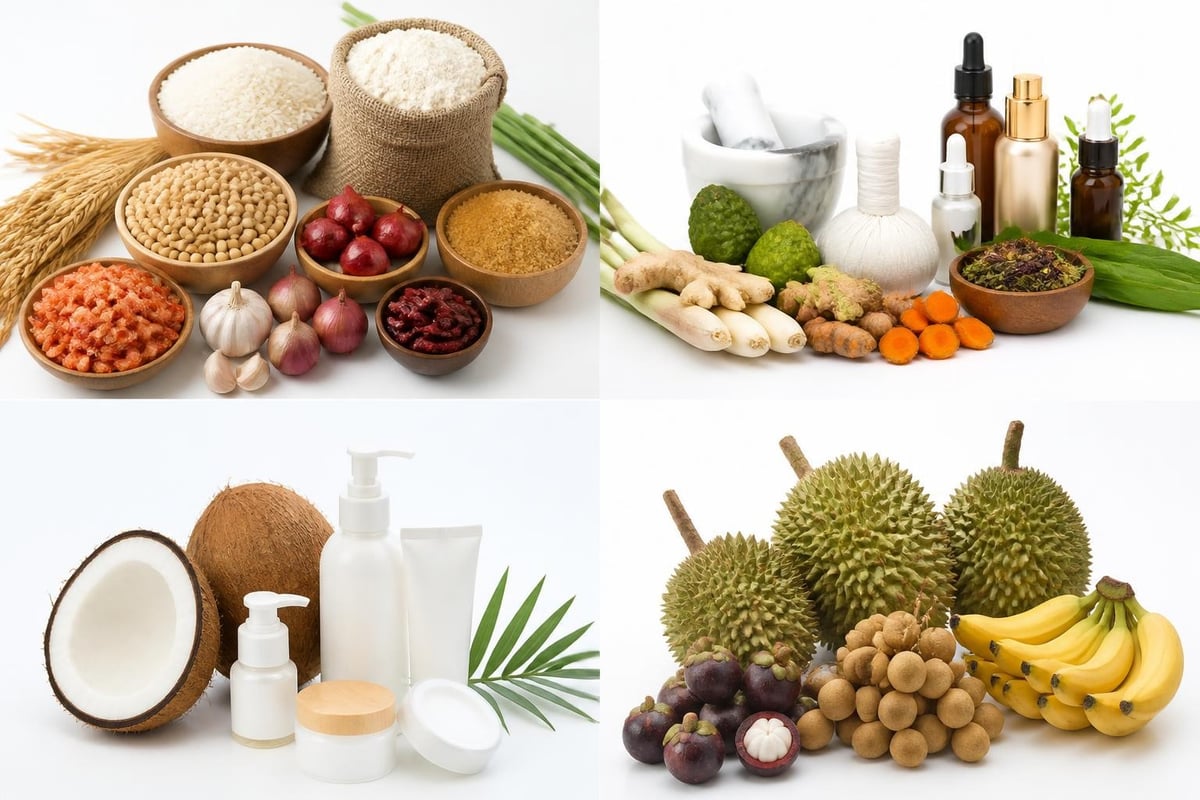
Thailand excels in several export sectors that attract international buyers:
- Food and beverage products: Thai ingredients, spices, sauces, snacks, tea, coffee, and processed foods
- Health and wellness items: Herbal products, traditional remedies, massage oils, balms, and therapeutic goods
- Beauty and personal care: Skincare, coconut-based products, hair care, and natural cosmetics
- Agricultural products: Rice, tropical fruits, coconut derivatives, and organic produce
- Home and lifestyle goods: Handicrafts, textiles, aromatherapy, and decorative items
Manufacturing Capabilities and Regional Strengths
Different regions within Thailand specialize in distinct product types. Bangkok and surrounding provinces house modern manufacturing facilities for packaged foods, cosmetics, and consumer goods. Northern provinces like Chiang Mai focus on handicrafts and natural products. Southern regions specialize in coconut products, seafood, and rubber-based items.
The Board of Investment provides detailed information about Thailand's manufacturing capacity, special economic zones, and industry clusters that help buyers understand supplier capabilities and regional specializations.
Evaluating and Selecting a Thailand Wholesale Supplier
Choosing the right wholesale partner requires systematic evaluation across multiple criteria. International buyers should approach supplier selection as a strategic decision impacting product quality, delivery reliability, and long-term business success.
Verification and Due Diligence Steps
| Verification Aspect | What to Check | Why It Matters |
|---|---|---|
| Business Registration | Company documentation, tax ID | Confirms legal operating status |
| Export License | Valid export permits | Ensures compliance with Thai regulations |
| Factory Certification | ISO, GMP, HACCP (if applicable) | Validates manufacturing standards |
| Product Testing | Lab reports, quality certificates | Verifies product safety and specifications |
| Trade References | Previous buyer testimonials | Indicates reliability and track record |
Conduct thorough background checks before committing to large orders. Request business licenses, export documentation, and verifiable references from existing international clients. A professional thailand wholesale supplier maintains transparent documentation and welcomes verification inquiries.
Communication and Language Considerations
Effective communication forms the foundation of successful supplier relationships. While many Thai exporters employ English-speaking staff, clarity in specifications, requirements, and expectations prevents misunderstandings.
Best practices for clear communication:
- Document all product specifications in writing with photos or samples
- Confirm understanding of measurement units (metric vs. imperial)
- Establish clear timelines with buffer periods for production and shipping
- Use video calls to build relationships and discuss complex requirements
- Maintain written records of all agreements and modifications
Request detailed product catalogs with specifications, ingredient lists, dimensions, and packaging information. Professional suppliers provide comprehensive documentation that addresses common buyer questions proactively.
Product Sourcing and Quality Assurance
Quality consistency determines the success of international wholesale partnerships. Buyers should implement structured quality assurance processes when sourcing from any thailand wholesale supplier.
Sample Ordering and Testing Protocol
Sample evaluation workflow:
- Order product samples representing your intended purchase range
- Test samples for quality, packaging integrity, and shelf life
- Conduct independent lab testing for regulated products (food, cosmetics)
- Verify ingredient lists match claimed formulations
- Assess packaging suitability for your target market
- Document all findings before placing bulk orders
Never skip the sampling phase, regardless of supplier recommendations or pricing pressures. Sample testing reveals potential issues before they become costly problems in large shipments.
Factory Visits and Inspection Services
In-person factory visits provide invaluable insights into production capabilities, hygiene standards, and operational professionalism. When visiting a thailand wholesale supplier's facility, observe:
- Production floor cleanliness and organization
- Raw material storage and handling procedures
- Quality control checkpoints during manufacturing
- Packaging and labeling accuracy
- Inventory management systems
- Worker safety protocols and equipment condition
For buyers unable to visit Thailand personally, third-party inspection services offer professional facility audits and production monitoring. These services verify supplier claims and provide unbiased quality assessments.

Export Documentation and Compliance Requirements
Understanding Thai export regulations and international import requirements prevents customs delays and regulatory complications. A competent thailand wholesale supplier navigates these processes routinely but buyers should maintain awareness of documentation requirements.
Essential Export Documents from Thailand
Every international shipment requires specific documentation:
- Commercial Invoice: Itemized product list with values and HS codes
- Packing List: Detailed contents, weights, and dimensions per package
- Certificate of Origin: Verifies products manufactured in Thailand (Form E, Form D, or non-preferential CO)
- Health/Phytosanitary Certificates: Required for food, agricultural, and certain wellness products
- Product Registration Documents: Category-specific certifications depending on destination country
The Thai Food and Drug Administration provides official guidance for food product export certification and registration procedures. Suppliers handling FDA-regulated products should demonstrate familiarity with these requirements.
Customs Procedures and Tariff Information
Thai exporters utilize the Thai Customs e-services platform for export declarations and tariff verification. Buyers should understand:
- HS Code classification: Proper product classification affects duties and regulations
- Export duties: Most Thai products have zero or minimal export duties
- Restricted items: Certain cultural artifacts, endangered species products, and controlled substances require special permits
- Documentation accuracy: Errors in customs documents cause shipment delays
Confirm your thailand wholesale supplier provides accurate HS codes and maintains current knowledge of destination country import regulations. Professional exporters stay updated on regulatory changes affecting their product categories.
Product-Specific Certifications
Different product categories require specialized certifications for international trade. Thai herbal products, for example, may need traditional medicine certifications depending on destination markets. Food products require food safety certifications, while cosmetics need stability testing and safety assessments.
Work with suppliers who understand certification requirements for your target markets. The Thai Product Sourcing Service helps international buyers navigate these regulatory complexities when sourcing specialized products from Thailand.
Pricing, Payment Terms, and Order Management
Financial arrangements significantly impact the viability of wholesale partnerships. Negotiate transparent pricing structures and secure payment terms that protect both parties while facilitating smooth transactions.
Understanding Thai Wholesale Pricing Structure
| Pricing Component | Typical Structure | Negotiation Potential |
|---|---|---|
| FOB Price | Product + domestic packaging + delivery to port | Moderate (volume-dependent) |
| Packaging Customization | Design, printing, materials | High (varies by complexity) |
| Quality Certifications | Testing, lab reports, certificates | Low (mostly fixed costs) |
| Minimum Order Quantity | Varies by product and supplier | Moderate (relationship-dependent) |
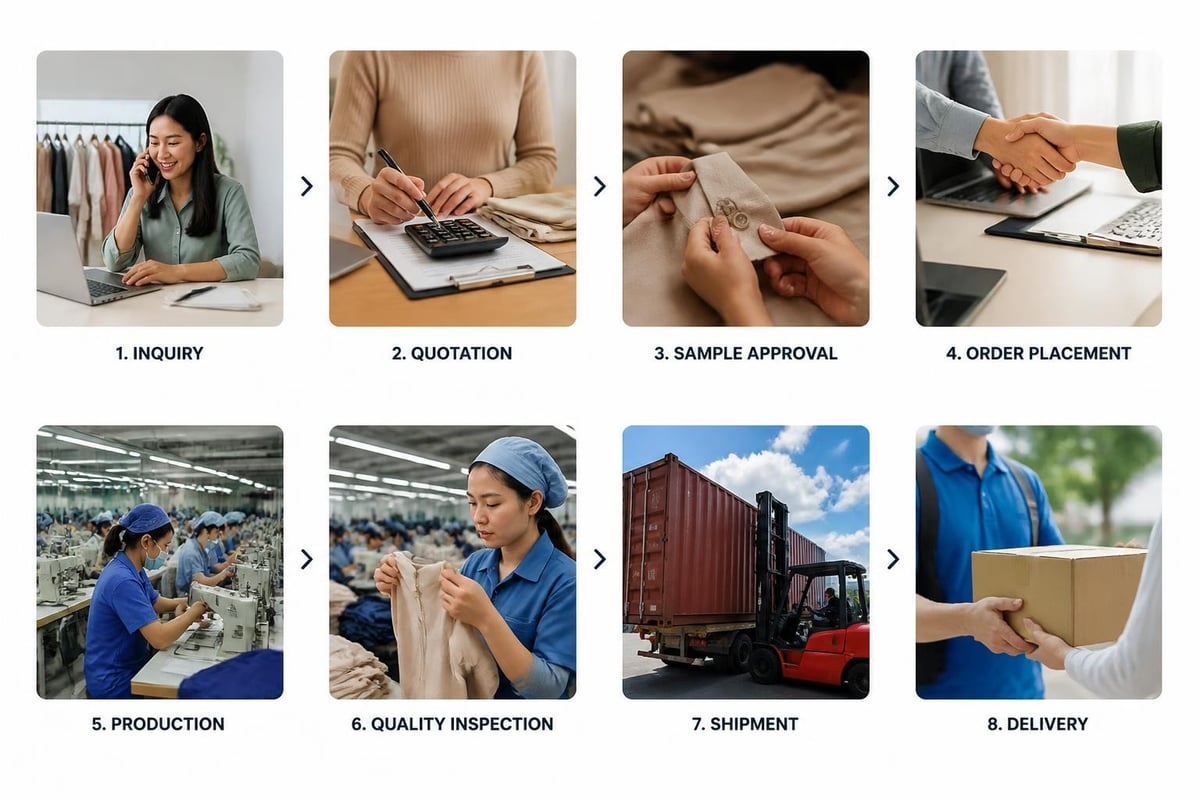
Request detailed quotations breaking down all cost components. Professional thailand wholesale supplier partners provide transparent pricing without hidden fees appearing later in the process.
Payment Terms and Risk Mitigation
Common payment structures for Thai wholesale transactions include:
Letter of Credit (L/C): Provides maximum security for both parties through bank guarantees. Suitable for large first-time orders or high-value shipments.
Telegraphic Transfer (T/T): Typically structured as 30% deposit upon order confirmation and 70% balance before shipment. Most common for established relationships.
Trade Assurance Platforms: Some suppliers participate in third-party platforms offering payment protection and dispute resolution services.
Avoid suppliers demanding 100% advance payment before production, especially for initial orders. Legitimate exporters understand buyer concerns and offer reasonable payment structures balancing risk appropriately.
Order Quantities and Production Timelines
Minimum order quantities (MOQ) vary significantly based on product type, customization requirements, and supplier capacity. Standard packaged products may have lower MOQs (500-1000 units) while custom-formulated or specially packaged items require higher minimums (5000+ units).
Production timeline considerations:
- Standard products from existing stock: 1-2 weeks
- Standard products requiring production run: 3-4 weeks
- Custom formulation or packaging: 6-8 weeks
- Products requiring specific certifications: Add 2-4 weeks
- Peak season periods (November-January): Add 1-2 weeks buffer
Build realistic timelines into your purchasing schedule. Rushing production increases error rates and quality inconsistencies.
Logistics and Shipping from Thailand
Efficient logistics management ensures products reach international buyers in optimal condition within expected timeframes. Understanding shipping options and procedures helps buyers make informed decisions about freight arrangements.
Shipping Methods and Transit Times
Sea Freight: Most cost-effective for large volumes. Transit times vary by destination (7-35 days). Suitable for non-perishable products with flexible delivery schedules.
Air Freight: Higher cost but faster delivery (2-7 days). Appropriate for perishable items, high-value goods, or urgent replenishment orders.
Express Courier: Premium option for samples, small urgent orders, or time-sensitive shipments (3-5 days). Cost-prohibitive for regular wholesale volumes.
Your thailand wholesale supplier should offer guidance on optimal shipping methods based on product characteristics, order size, and destination. Experienced exporters maintain relationships with multiple freight forwarders providing competitive rates.
Incoterms and Responsibility Division
Common Incoterms for Thai exports:
- FOB (Free on Board): Supplier delivers to vessel at Thai port; buyer handles ocean freight and import procedures
- CIF (Cost, Insurance, Freight): Supplier covers transportation to destination port; buyer handles import clearance
- DDP (Delivered Duty Paid): Supplier handles all logistics including import duties; buyer receives goods at specified location
Clarify Incoterms before finalizing orders. Each term defines different responsibility divisions for costs, risks, and logistics management. FOB remains most common for wholesale shipments from Thailand.
Product Identification and Tracking Standards
International buyers operating across multiple markets benefit from suppliers using standardized product identification systems. GS1 Thailand manages barcode and GTIN (Global Trade Item Number) registration for Thai manufacturers and exporters.
Products with GS1-registered barcodes integrate seamlessly into retail distribution systems, inventory management software, and e-commerce platforms. Confirm whether your thailand wholesale supplier provides GS1-compliant product identification, especially if selling through retail channels.
Market Trends and Buyer Preferences in 2026
Understanding current market dynamics helps buyers identify opportunities and select suppliers positioned for long-term success. Several trends shape the Thailand wholesale export landscape in 2026.
Sustainable and Natural Products
International demand for natural, organic, and sustainably-sourced products continues accelerating. Thai suppliers specializing in coconut-based products, herbal formulations, and traditional wellness items attract buyers seeking authentic natural alternatives.
Consumers increasingly research ingredient origins and production methods. Suppliers providing transparency about raw material sourcing, manufacturing processes, and sustainability practices gain competitive advantages in conscious consumer markets.
Value-Added Processing and Innovation
Basic commodity exports face intensifying price competition. Thai manufacturers investing in value-added processing, innovative formulations, and quality differentiation command premium pricing and loyal buyer relationships.
Look for thailand wholesale supplier partners demonstrating innovation through product development, quality improvements, or packaging enhancements rather than competing solely on price.
Digital Integration and B2B Technology
Modern Thai exporters adopt digital tools streamlining communication, order management, and supply chain visibility. Suppliers offering online catalogs, digital quotation systems, and shipment tracking provide superior buyer experiences compared to traditional paper-based processes.
Evaluate supplier technological sophistication as an indicator of operational efficiency and commitment to international buyer service standards.
Building Long-Term Supplier Relationships
Successful wholesale partnerships extend beyond transactional exchanges. Cultivating strategic relationships with reliable Thai suppliers creates mutual benefits through improved communication, preferential terms, and collaborative problem-solving.
Relationship Development Strategies
Consistency matters: Regular orders, even if modest initially, demonstrate commitment and help suppliers prioritize your requirements during capacity constraints.
Clear communication: Provide advance notice of seasonal requirements, promotional plans, or market changes affecting order patterns. Suppliers appreciate planning visibility.
Prompt payment: Honor payment terms consistently. Reliable payment builds trust and may unlock better terms over time.
Feedback sharing: Communicate market feedback, both positive and constructive. Quality-focused suppliers value insights helping them improve products.
Visit periodically: Regular in-person visits strengthen relationships and keep you informed about supplier capabilities and developments.
Handling Challenges and Disputes
Even excellent partnerships encounter occasional challenges. Address issues promptly through direct communication before problems escalate:
- Document the specific problem with photos, measurements, or other evidence
- Contact your supplier immediately explaining the situation clearly
- Propose reasonable solutions considering both parties' interests
- Work collaboratively toward resolution rather than assigning blame
- Learn from issues to prevent recurrence through improved specifications or processes
Professional thailand wholesale supplier partners view problems as opportunities to demonstrate service commitment. Suppliers avoiding responsibility or dismissing legitimate concerns may not merit long-term partnership investment.
Expanding Product Range and Market Development
Once established relationships prove reliable, explore opportunities for range expansion or market development collaboration. Experienced Thai suppliers often possess knowledge about complementary products, emerging categories, or market-specific adaptations.
Some suppliers invest in joint product development for strategic buyers, creating customized formulations or exclusive product lines. These collaborations deepen partnerships while providing market differentiation advantages.
Regulatory Compliance for Target Markets
Export from Thailand represents only half the compliance equation. Understanding import regulations in destination markets prevents costly rejections, delays, or legal complications.
Common Regulatory Requirements by Market
United States: FDA registration for food and cosmetics, country-of-origin labeling, ingredient disclosure requirements, and specific testing for certain product categories.
European Union: REACH compliance for chemicals, cosmetics regulation compliance, novel food assessments for certain ingredients, and detailed labeling requirements.
Australia/New Zealand: ACCC compliance, therapeutic goods registration for certain wellness products, biosecurity clearances for agricultural items.
Middle East: Halal certification for food and personal care products, specific labeling in Arabic, and product registration in many GCC countries.
Your thailand wholesale supplier should understand basic requirements for major markets but ultimate import compliance responsibility rests with the importer. Engage customs brokers or regulatory consultants in destination markets for complex products.
Statistical Trade Data and Market Intelligence
Official trade statistics provide valuable market intelligence for strategic sourcing decisions. The Thailand National Statistical Office publishes detailed export data by product category and destination country, revealing market trends, growth categories, and competitive dynamics.
Analyzing trade statistics helps buyers identify emerging opportunities, understand seasonal patterns, and benchmark supplier pricing against market norms. Data-driven sourcing decisions reduce risk and improve outcomes.
Category-Specific Sourcing Considerations
Different product categories present unique sourcing considerations when working with a thailand wholesale supplier. Understanding category-specific factors improves sourcing outcomes.
Food and Beverage Products
Food safety represents the paramount concern. Verify suppliers maintain proper food safety management systems (GMP, HACCP) and provide batch-specific testing certificates. Consider shelf life, temperature sensitivity, and packaging requirements for your specific distribution channels.
Thailand's tropical climate expertise creates advantages in products like coconut-based items, tropical fruit preparations, and heat-processed foods. Leverage these natural strengths when selecting product ranges.
Herbal and Wellness Products
Traditional Thai herbal knowledge creates unique product differentiation opportunities. Products like herbal balms, massage oils, and herbal inhalers combine traditional formulations with modern manufacturing standards.
Understand regulatory classification in target markets. Products considered cosmetics in one country may classify as drugs or therapeutic goods elsewhere, triggering different registration requirements. Work with suppliers experienced in international herbal product regulations.
Beauty and Personal Care Items
Cosmetic regulations vary significantly across markets. Ensure your thailand wholesale supplier provides complete ingredient declarations, safety assessments, and stability testing data supporting product claims.
Natural and organic positioning attracts premium pricing but requires substantiation. Verify organic certifications cover entire supply chains, not just selected ingredients. Authentic natural products command loyal customer followings when properly positioned.
Sourcing from a thailand wholesale supplier offers international buyers access to diverse, high-quality products backed by established export infrastructure. Success requires systematic supplier evaluation, clear communication, proper documentation, and commitment to building strategic partnerships. BUARADA serves as your trusted Thailand-based sourcing partner, connecting international wholesalers, distributors, and retailers with authentic Thai products across food, wellness, and personal care categories. Contact us to discuss your wholesale sourcing requirements and discover how we can support your business growth with reliable Thai products and export solutions.