
Sourcing authentic Thai ingredients and food products requires partnerships with reliable suppliers who understand international quality standards, export regulations, and the complexities of global food logistics. Whether you're an importer building an Asian food portfolio, a distributor expanding product lines, or a retailer seeking unique Thai ingredients, selecting the right thai food supplier determines your success in delivering quality products to your customers. This comprehensive guide addresses the critical considerations for B2B buyers sourcing from Thailand, from initial supplier evaluation through compliance, logistics, and long-term partnership management.
Understanding the Thai Food Export Landscape
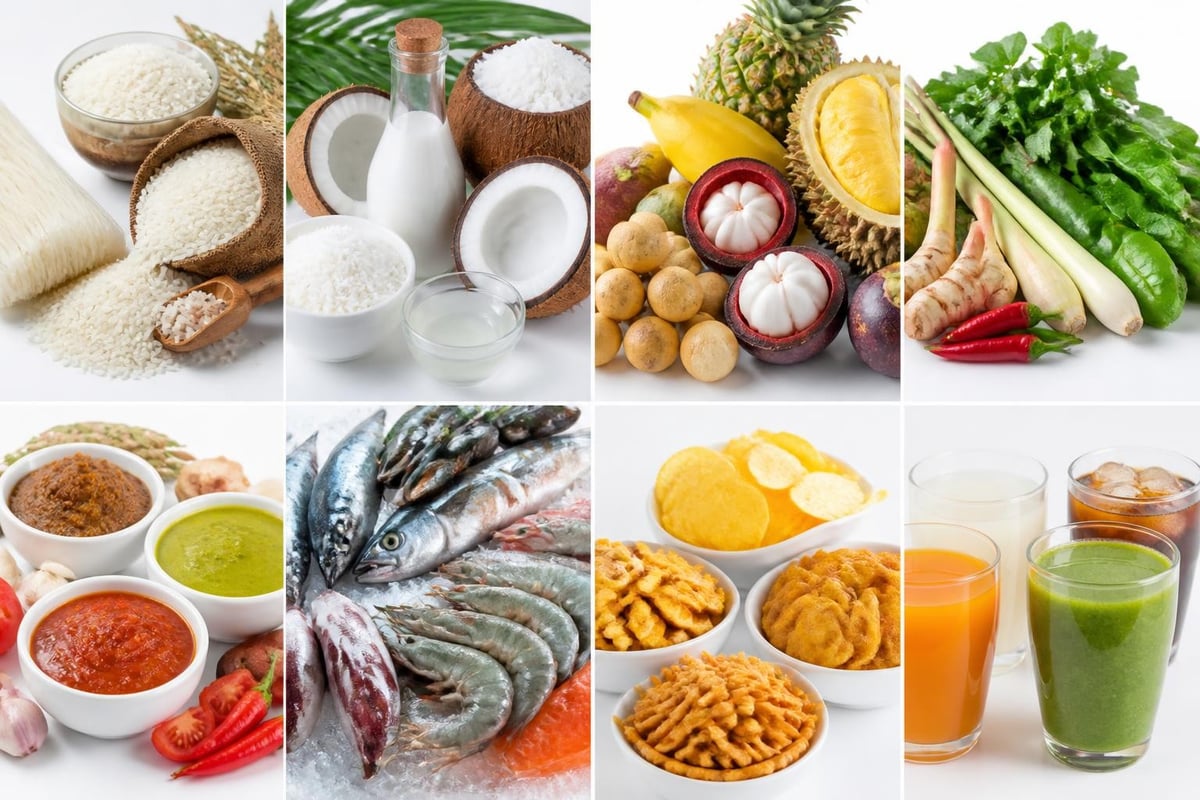
Thailand ranks among the world's leading food exporters, with a diverse portfolio spanning processed foods, tropical fruits, herbs, spices, coconut products, rice, and seafood. The country's agricultural abundance and established food processing infrastructure make it an attractive sourcing destination for international buyers.
The Office of Trade Policy and Strategy provides current data on Thai export performance, revealing sustained growth in value-added food products and increasing demand for organic and specialty ingredients. This government analysis offers buyers insight into market trends and product categories experiencing export expansion.
Key Thai food export categories include:
- Rice and rice-based products (jasmine rice, rice noodles, rice crackers)
- Coconut products (coconut milk, coconut oil, desiccated coconut)
- Tropical fruits (fresh, frozen, dried, and processed)
- Herbs and spices (lemongrass, galangal, kaffir lime, Thai basil, chilies)
- Sauces and condiments (fish sauce, curry pastes, chili sauces)
- Processed seafood (canned tuna, shrimp products)
- Snacks and confectionery
- Beverages (Thai tea, herbal drinks, coconut water)
Regional Production Strengths
Different Thai regions specialize in specific products based on climate, soil conditions, and agricultural traditions. Central Thailand dominates rice production, southern provinces lead in coconut and rubber cultivation, northern regions produce specialty herbs and highland vegetables, and northeastern areas focus on rice, cassava, and unique fermented products.
Understanding these regional strengths helps buyers identify suppliers with direct access to raw materials and established relationships with local producers. A thai food supplier with strong regional connections often offers better pricing, consistent quality, and supply chain transparency.
Critical Supplier Evaluation Criteria
Selecting a thai food supplier requires systematic evaluation across multiple dimensions. Price alone never tells the complete story-quality consistency, regulatory compliance, export capability, and long-term reliability matter equally for sustainable sourcing relationships.
Manufacturing and Quality Standards
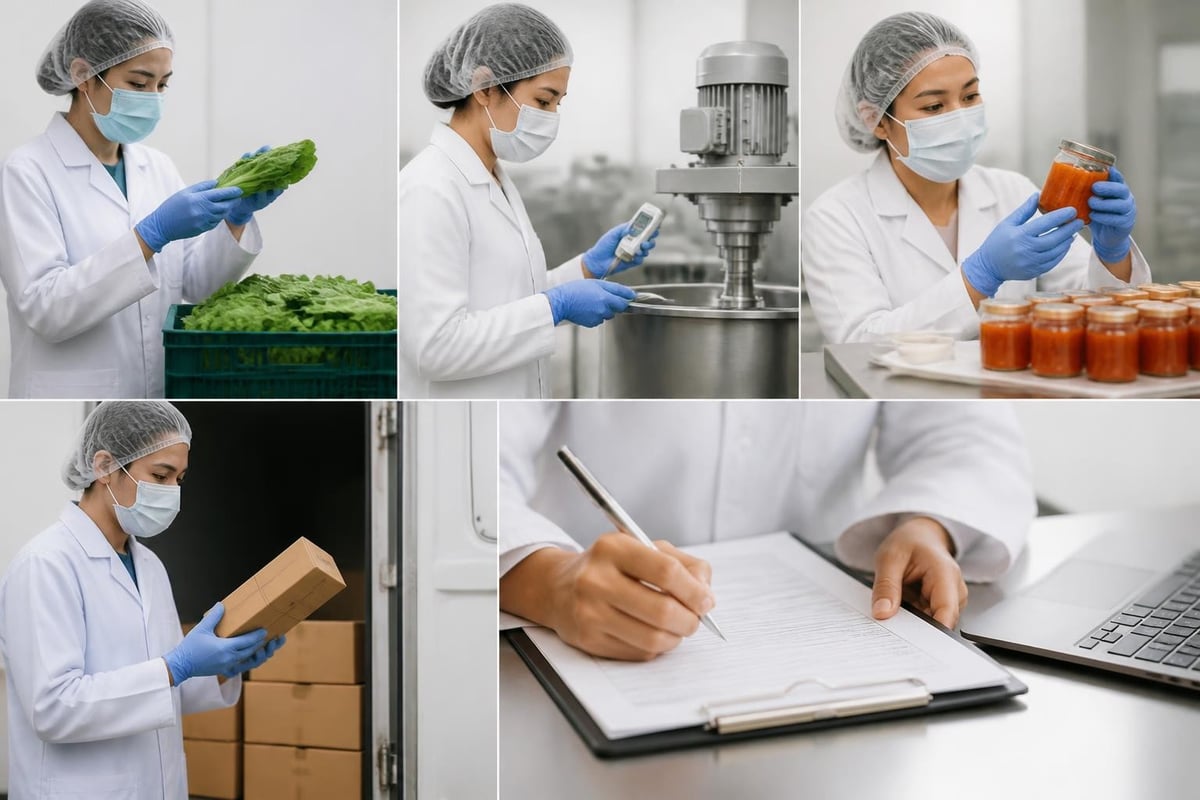
Certification verification stands as your first checkpoint. Reputable Thai food suppliers maintain internationally recognized certifications appropriate to their product categories. GMP (Good Manufacturing Practice), HACCP (Hazard Analysis Critical Control Points), ISO 22000, and organic certifications signal professional operations and quality management systems.
Request copies of current certificates directly from suppliers and verify authenticity through issuing bodies. Thai Food & Beverage Products from established exporters typically include comprehensive documentation supporting quality claims and regulatory compliance.
Factory audits provide direct insight into production environments, quality control procedures, sanitation practices, and staff training. While remote audits via video have become more common, nothing replaces in-person facility inspection when establishing significant supply relationships.
| Audit Focus Area | Key Observations | Risk Indicators |
|---|---|---|
| Facility sanitation | Clean production zones, pest control, waste management | Visible contamination, poor hygiene, inadequate cleaning protocols |
| Quality systems | Documentation, testing procedures, traceability | Missing records, informal processes, no lab testing |
| Storage conditions | Temperature control, humidity management, stock rotation | Mixed storage, poor climate control, expired inventory |
| Staff practices | Protective equipment, hygiene training, health monitoring | Improper handling, no protective gear, untrained workers |
Regulatory Compliance and Documentation
International food trade operates under strict regulatory frameworks. Your thai food supplier must navigate Thai export regulations while meeting import requirements in your destination country. This dual compliance burden requires expertise and established systems.
The U.S. Food & Drug Administration maintains country-specific import alerts that buyers must review before committing to Thai suppliers. These alerts identify products, manufacturers, or ingredients subject to detention at U.S. ports, helping you avoid costly shipment delays or rejections.
Essential documentation includes:
- Health certificates from Thai authorities
- Phytosanitary certificates for plant-based products
- Certificate of Origin
- Halal certification (for Muslim-majority markets)
- Kosher certification (when required)
- Organic certificates (for certified organic products)
- Analysis reports (nutritional, microbial, pesticide residues)
- Product specifications and technical data sheets
Suppliers should provide complete documentation packages without prompting-this demonstrates export proficiency and reduces your administrative burden.
Product Quality Assurance Strategies
Quality inconsistency destroys customer relationships and damages brand reputation. Implementing robust quality assurance measures protects your investment and ensures products meet specifications batch after batch.
Testing and Inspection Protocols
Pre-shipment inspection catches quality issues before products leave Thailand. Third-party inspection companies conduct visual checks, weight verification, packaging assessment, labeling review, and sample collection for laboratory testing.
Laboratory testing protocols vary by product category but commonly include:
- Microbial analysis (total plate count, E. coli, Salmonella, yeast/mold)
- Chemical testing (pesticide residues, heavy metals, additives)
- Nutritional analysis (to verify label claims)
- Physical parameters (moisture content, particle size, color values)
- Allergen testing (when applicable)
The National Center for Biotechnology Information documents sophisticated adulteration methods affecting spices and herbs, underscoring the importance of rigorous testing when sourcing these ingredients from any supplier. Authentication testing using techniques like DNA analysis or chromatography helps verify botanical identity and detect substitution.
Supply Chain Traceability
Modern buyers demand transparency from farm to port. A professional thai food supplier maintains complete traceability records linking finished products back through processing steps to raw material sources.
Request traceability demonstrations during supplier evaluation. The supplier should be able to trace any batch code backward to production date, raw material lots, supplier farms or producers, and quality test results. This capability proves essential during product recalls or quality investigations.
Blockchain and digital platforms increasingly support food traceability, though many Thai suppliers still rely on paper-based systems. The critical factor is completeness and accuracy of records, not technology sophistication.
Navigating Logistics and Cold Chain Requirements
Thailand's tropical climate and distance from major markets make logistics planning critical, especially for temperature-sensitive products. Understanding cold chain capabilities and transportation options protects product integrity during the journey from Thai facilities to your warehouse.
Cold Chain Infrastructure
The Global Cold Chain Alliance assessment identifies both strengths and gaps in Thailand's refrigerated logistics network. While major ports and urban areas offer modern cold storage and transportation, gaps exist in rural collection and last-mile distribution.
When sourcing perishable or frozen Thai foods, verify your supplier's cold chain management:
- On-site cold storage capacity and backup power systems
- Temperature monitoring during storage and loading
- Refrigerated transportation to ports
- Coordination with shipping lines for reefer containers
- Temperature data logging throughout transport
Products requiring frozen storage (-18°C or colder) demand more rigorous controls than chilled products (0-4°C). Ambient-stable products still benefit from climate-controlled storage in Thailand's hot, humid environment to prevent quality degradation.
Shipping Options and Lead Times
Ocean freight remains the most cost-effective option for food imports, though transit times range from two to six weeks depending on origin and destination ports. Container selection (dry, refrigerated, or specialized) depends on product requirements.
Air freight suits high-value, time-sensitive, or ultra-perishable items despite significantly higher costs. Fresh herbs, specialty produce, and premium ingredients often justify air transport to reach markets quickly.
Typical lead times for Thai food sourcing include:
- Supplier quotation and negotiation: 1-2 weeks
- Sample evaluation and testing: 2-3 weeks
- Production and quality control: 2-6 weeks (varies by product and order size)
- Export documentation preparation: 3-5 days
- Ocean freight transit: 2-6 weeks
- Customs clearance at destination: 3-7 days
Total timeline from order placement to delivery typically spans 8-14 weeks for ocean shipments, requiring careful inventory planning.
Managing Food Safety and Fraud Risks
Global food supply chains face persistent risks from contamination, adulteration, and fraudulent practices. Protecting your customers and brand requires proactive risk management when working with any thai food supplier.
Common Risk Categories
Biological hazards include pathogenic bacteria, viruses, parasites, and toxins. Proper processing, sanitation, and temperature control mitigate these risks, but verification through testing remains essential.
Chemical hazards encompass pesticide residues on agricultural products, cleaning chemical residues in processing facilities, heavy metal contamination, and unauthorized additives or preservatives. Regular testing and supplier audits help detect and prevent chemical contamination.
Physical hazards like metal fragments, glass, stones, or plastic require robust foreign material prevention programs including metal detectors, X-ray systems, and visual inspection protocols.
TRACIT’s ASEAN analysis examines illicit trade patterns affecting Thai food exports, particularly in high-value categories like herbs, spices, and seafood. Understanding regional fraud patterns helps buyers implement appropriate verification measures.
Supplier Qualification Programs
Implementing structured qualification processes separates professional suppliers from opportunistic traders. Your program should include:
- Initial desktop review of credentials and certifications
- Detailed questionnaires about capabilities, capacity, and quality systems
- Reference checks with current customers
- Sample evaluation under controlled conditions
- Factory audit (remote or in-person)
- Trial order assessment
- Ongoing performance monitoring
Never skip qualification steps based on price incentives or time pressure. Thorough vetting prevents problems that cost far more than any initial savings.
Sustainability and Certification Considerations
Market demand increasingly favors sustainably produced foods, creating both opportunities and obligations for buyers sourcing from Thailand. Understanding sustainability frameworks and certification schemes helps you meet customer expectations while supporting responsible production.
Environmental Certifications
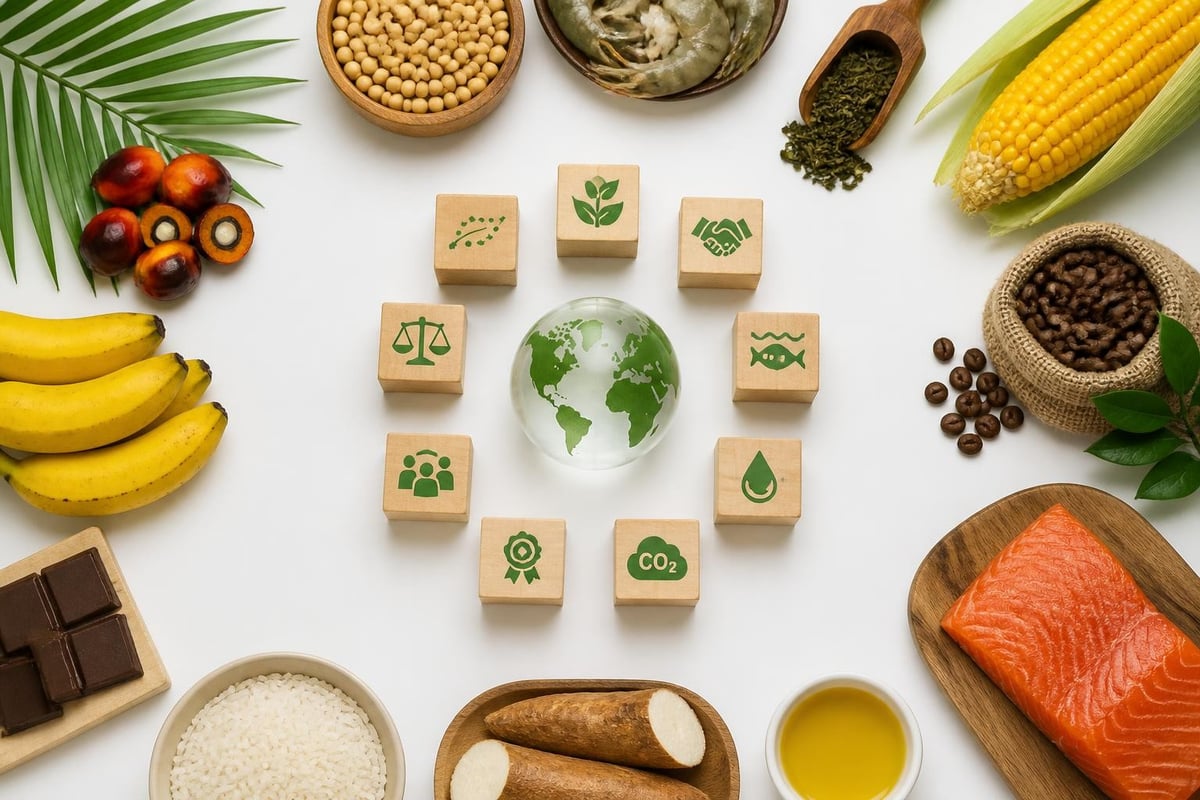
Organic certification remains the most recognized sustainability credential, though several schemes operate in Thailand including EU Organic, USDA Organic, and local Thai Organic standards. Verify which certification your supplier holds and whether it aligns with your target markets.
Sustainability certifications for specific products include Rainforest Alliance for coffee and tea, Fair Trade for various agricultural products, and Marine Stewardship Council (MSC) for wild-caught seafood. The Roundtable on Sustainable Palm Oil provides updates on certified sustainable palm oil, relevant when sourcing products containing palm-derived ingredients from Thai suppliers.
Carbon footprint and water stewardship increasingly influence purchasing decisions, particularly among European buyers. While comprehensive environmental reporting remains uncommon among smaller Thai suppliers, larger exporters progressively adopt sustainability measurement and reporting practices.
Social Responsibility Standards
Labor practices and social conditions in agricultural supply chains receive heightened scrutiny. Ethical sourcing programs examine worker treatment, fair wages, child labor prevention, and community impact.
Thailand has addressed labor issues in its seafood sector through regulatory reforms and industry initiatives. Buyers should request information about labor practices, worker welfare programs, and compliance with Thai labor law and international conventions.
Building Long-Term Supplier Partnerships
Transactional relationships limit your ability to secure preferential treatment, access innovation, and navigate challenges collaboratively. Strategic partnerships with Thai food suppliers deliver sustained competitive advantages.
Communication and Relationship Management
Clear communication protocols prevent misunderstandings that derail orders. Establish expectations for response times, preferred communication channels (email, messaging apps, video calls), and escalation procedures for urgent issues.
Language barriers occasionally complicate Thai supplier communication. While many export-focused companies employ English-speaking staff, precision suffers in technical discussions or complex negotiations. Consider engaging interpreters for critical conversations or detailed specification reviews.
Regular business reviews strengthen partnerships by addressing performance, identifying improvement opportunities, and aligning on strategic priorities. Quarterly or semi-annual meetings (virtual or in-person) maintain relationship momentum beyond transactional order processing.
Payment Terms and Financial Arrangements
Payment structures balance supplier cash flow needs against buyer risk management. Common arrangements for Thai food imports include:
| Payment Method | Supplier Risk | Buyer Risk | Typical Use Case |
|---|---|---|---|
| Advance payment | Low | High | New relationships, custom production, small suppliers |
| Letter of Credit | Low | Medium | Large orders, established relationships, risk mitigation |
| Documentary Collection | Medium | Medium | Moderate trust relationships |
| Open account terms | High | Low | Long-term partnerships, high trust |
| Escrow services | Low | Low | High-value transactions, limited trust |
Letters of Credit (L/C) remain standard for international food trade, protecting both parties through bank intermediation. While L/C fees add cost, they significantly reduce payment and delivery risks for buyers and suppliers with limited operating history.
Leveraging Technology for Supplier Management
Digital tools increasingly support international sourcing operations, offering efficiency gains and enhanced oversight across complex supply chains involving multiple Thai food suppliers.
Digital Platforms and Marketplaces
B2B platforms connect buyers with verified Thai suppliers, though thorough due diligence remains essential regardless of platform listings. Online marketplaces facilitate initial discovery but should never replace comprehensive supplier qualification.
Supplier management software centralizes documentation, tracks performance metrics, manages audit schedules, and archives communication. These systems prove particularly valuable when managing multiple suppliers across different product categories.
Collaboration platforms enable real-time information sharing, joint problem-solving, and transparent communication between buyers and suppliers. Cloud-based systems ensure all parties access current specifications, production schedules, and quality data.
Data Analytics and Performance Monitoring
Key performance indicators (KPIs) transform subjective supplier assessment into objective measurement. Common metrics for thai food supplier evaluation include:
- On-time delivery rate (percentage of shipments arriving within agreed windows)
- Quality acceptance rate (percentage of lots passing inspection)
- Documentation accuracy (completeness and correctness of export paperwork)
- Responsiveness (average time to respond to inquiries)
- Flexibility (ability to accommodate specification changes or urgent requests)
- Innovation contribution (suggestions for improvements or new products)
Tracking these metrics over time reveals performance trends and identifies suppliers deserving expanded business or requiring performance improvement plans.
Emerging Trends in Thai Food Sourcing
The Thai food export sector continues evolving in response to global demand shifts, technological advancement, and changing consumer preferences. Understanding these trends positions buyers to capitalize on emerging opportunities.
Plant-Based and Functional Foods
Plant-based protein demand drives innovation among Thai suppliers developing meat and dairy alternatives using local ingredients like soy, mushrooms, and jackfruit. Thailand's expertise in tropical agriculture and food processing creates natural advantages in this expanding category.
Functional ingredients and health-focused products leverage Thailand's rich biodiversity and traditional medicine heritage. Turmeric, moringa, butterfly pea flower, and numerous other Thai botanicals enter mainstream food applications as consumers seek natural wellness solutions.
Value-Added Processing
Primary commodity exports increasingly shift toward processed, ready-to-use formats that command premium pricing and reduce buyer preparation requirements. Pre-cut vegetables, portion-controlled pastes, and clean-label convenience products reflect this value-addition trend.
Thailand's food processing capabilities range from simple cleaning and packaging through sophisticated extraction, encapsulation, and formulation services. Buyers should explore whether Thai suppliers can provide higher-value formats that reduce your own processing costs and time-to-market.
Direct Farm Partnerships
Traceability and authenticity demands encourage direct relationships between exporters and farming communities. Some Thai food suppliers now offer farm-direct sourcing programs providing complete transparency from cultivation through export.
These programs typically involve contract farming arrangements where suppliers provide inputs, technical assistance, and guaranteed purchase commitments to farmer groups. Buyers benefit from supply security, quality consistency, and compelling sustainability stories.
Practical Steps for New Buyers
International food sourcing appears daunting initially, but systematic approaches reduce risk and accelerate success. New buyers benefit from structured processes when entering the Thai food market.
Initial Market Research
Product identification begins with clear understanding of your target customer needs, competitive landscape, and market positioning. Research which Thai products align with your strategy and offer sustainable competitive advantages.
Industry associations, trade shows, and government trade offices provide market intelligence and supplier introductions. Thailand's Department of International Trade Promotion and agricultural commodity boards actively support export development and can facilitate buyer-supplier connections.
The BUARADA wholesale program demonstrates how established Thai exporters support international buyers through comprehensive product sourcing, quality assurance, and export coordination services.
Sample Evaluation Process
Never commit to large orders without thorough sample evaluation under conditions replicating your intended use. Request production samples rather than specially prepared samples that may not represent typical quality.
Sample testing should include:
- Visual inspection and sensory evaluation
- Laboratory analysis for safety and quality parameters
- Application testing (cooking, processing, or end-use trials)
- Shelf-life evaluation under your storage conditions
- Customer feedback (when appropriate)
Document all findings and compare suppliers systematically using standardized evaluation criteria.
Negotiation Strategies
Price negotiations should consider total landed cost rather than FOB price alone. Freight, insurance, duties, testing, and inspection costs significantly impact final economics. Request detailed quotations itemizing all cost components.
Minimum order quantities (MOQs) often prove negotiable, particularly for initial orders or when committing to long-term relationships. Explain your volume trajectory and growth plans to help suppliers justify lower initial MOQs.
Specify quality standards precisely in purchase agreements, referencing international standards, industry specifications, or detailed product sheets. Ambiguity creates disputes-precision protects both parties.
Regional Considerations for Thai Food Products
Thailand's geography creates distinct product profiles and supplier characteristics across regions. Understanding these regional differences helps buyers identify optimal sourcing locations for specific products.
Southern Region Specialties
Coconut-based products dominate southern Thai agriculture, with provinces like Surat Thani, Nakhon Si Thammarat, and Chumphon leading production. Suppliers in this region offer expertise in coconut oil extraction, desiccated coconut production, coconut milk processing, and coconut-based snacks.
Seafood processing concentrates in southern coastal areas, with shrimp, tuna, and other marine products processed for export. Proximity to fishing grounds and established cold chain infrastructure support quality seafood sourcing.
Central Region Capabilities
Rice processing centers in central Thailand's fertile plains, particularly around Ayutthaya, Suphan Buri, and Pathum Thani provinces. Major rice exporters and mills operate in this region, offering diverse rice varieties and value-added rice products.
Processed food manufacturers cluster around Bangkok and surrounding provinces, benefiting from port access, labor availability, and infrastructure development. Complex processing operations and multi-ingredient products commonly originate from central region facilities.
Northern Region Products
Highland herbs and vegetables thrive in northern Thailand's cooler climate. Chiang Mai, Chiang Rai, and Mae Hong Son provinces produce specialty items difficult to cultivate in tropical lowlands.
Coffee cultivation expands in northern regions, with Arabica beans from high-altitude areas developing export markets. Tea plantations also operate in northern highlands, producing unique Thai tea varieties.
Sourcing quality Thai food products demands careful supplier selection, rigorous quality management, and collaborative partnerships that extend beyond simple transactions. By implementing structured evaluation processes, maintaining compliance vigilance, and building relationships based on transparency and mutual benefit, international buyers access Thailand's remarkable food diversity while managing risks effectively. BUARADA supports wholesalers, distributors, importers, and retailers with comprehensive Thai product sourcing, quality assurance, and export services-contact our team to discuss your specific requirements and discover how we can streamline your Thai food sourcing operations.