
The global market for glutathione-based supplements has experienced substantial growth in recent years, driven by increasing consumer awareness of antioxidant benefits and skin health applications. International buyers, importers, and distributors seeking authentic wellness products are increasingly turning to Thailand as a strategic sourcing destination. Thailand's robust manufacturing capabilities, competitive pricing, and expertise in natural wellness formulations make it an attractive origin for businesses looking to expand their product portfolios with high-quality gluta supplement offerings.
Understanding Glutathione and Supplement Formulations
Glutathione represents one of the body's most critical antioxidants, consisting of three amino acids: cysteine, glutamic acid, and glycine. The compound exists naturally in every cell, playing essential roles in cellular protection, immune function, and detoxification processes. Research published in recent comprehensive reviews highlights the molecule's extensive therapeutic potential and its importance in maintaining cellular health.
Common Formulation Types Available for Wholesale
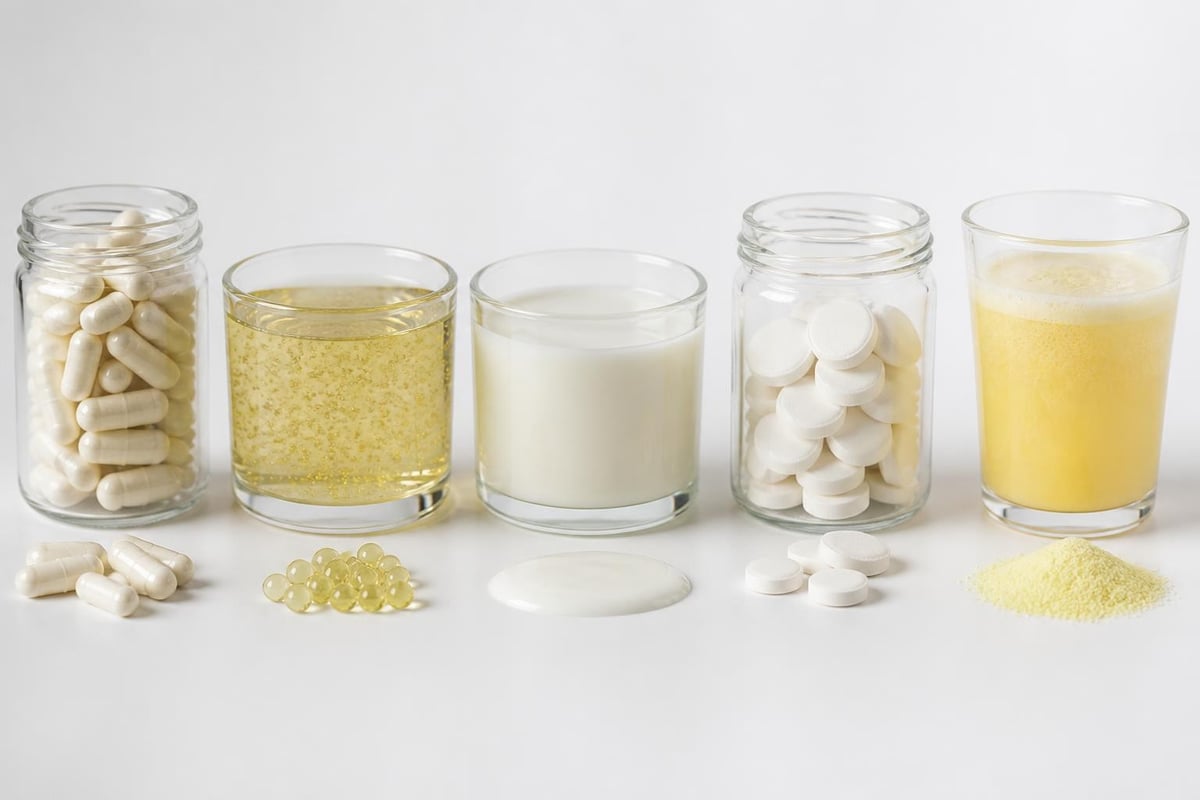
The supplement industry offers several distinct formulation approaches, each with unique characteristics relevant to international trade and distribution:
Oral Capsule and Tablet Forms
- Standard glutathione capsules (typically 250-1000mg per dose)
- Extended-release formulations
- Combination products pairing glutathione with vitamin C, collagen, or other antioxidants
- Vegetarian and gelatin-based capsule options
Advanced Delivery Systems
- Liposomal glutathione formulations
- Micellar technology preparations
- Sublingual tablets for enhanced absorption
- Effervescent powder formats
Clinical trials examining different supplement formulations have evaluated bioavailability differences between standard oral glutathione, liposomal versions, and micellar preparations. These studies provide valuable insights for buyers considering which product types to import and distribute in their target markets.
Sourcing Considerations for International Buyers
Thailand has emerged as a significant producer and exporter of wellness supplements, including various glutathione-based products. The country's pharmaceutical and nutraceutical manufacturing sectors have invested heavily in modern production facilities, quality control systems, and international certification processes.
Manufacturing Standards and Quality Verification
When sourcing a gluta supplement from Thailand or any international supplier, buyers should prioritize verification of manufacturing standards:
| Quality Indicator | What to Verify | Why It Matters |
|---|---|---|
| GMP Certification | Current Good Manufacturing Practice compliance | Ensures consistent quality and safety protocols |
| Third-Party Testing | Independent laboratory analysis reports | Confirms ingredient purity and potency claims |
| Stability Data | Shelf-life testing documentation | Validates expiration dates and storage requirements |
| Trace Contaminant Analysis | Heavy metals, microbiological testing | Protects consumer safety and regulatory compliance |
Many Thai manufacturers have obtained international certifications including GMP, ISO standards, and HACCP compliance. These credentials facilitate smoother import processes and provide assurance to downstream retailers and end consumers.
Product Documentation Requirements
International trade in dietary supplements requires comprehensive documentation. Successful importers maintain detailed records including:
- Certificate of Analysis (CoA) for each production batch
- Manufacturing facility licenses and permits
- Ingredient specifications and source verification
- Stability and compatibility testing results
- Allergen declarations and excipient disclosure
The NIH Dietary Supplement Label Database provides valuable reference information on glutathione labeling practices, helping buyers understand regulatory expectations across different markets.
Market Applications and Distribution Channels
Understanding the end-use applications helps international buyers identify appropriate distribution channels and target customer segments for their imported products.
Primary Market Segments
Beauty and Skincare Market
The cosmeceutical sector represents a major application area for glutathione supplements. Consumer demand for skin brightening and antioxidant benefits drives significant volume in Asian, Middle Eastern, and increasingly Western markets. Distributors serving beauty retailers, dermatology clinics, and medical spas often include these products in their portfolios.
General Wellness and Anti-Aging
Health-conscious consumers seek glutathione for its antioxidant properties and potential to support healthy aging. This segment includes general supplement retailers, health food stores, and online wellness platforms.
Clinical and Therapeutic Applications
Some healthcare practitioners recommend glutathione supplementation for specific health applications. Medical distributors and pharmacy channels serve this more specialized market segment.

Regulatory Landscape and Compliance Considerations
International buyers must navigate complex regulatory environments that vary significantly by destination market. The supplement industry faces substantial regulatory diversity, requiring careful planning and compliance expertise.
Regional Regulatory Differences
United States Market
The FDA regulates dietary supplements under the Dietary Supplement Health and Education Act (DSHEA). Products must be safe for consumption, but pre-market approval is not required. Importers bear responsibility for ensuring products meet labeling requirements and contain what labels claim. Federal guidance on dietary supplement safety outlines testing considerations and regulatory frameworks.
European Union
The EU maintains stricter supplement regulations through the Food Supplements Directive. Novel food regulations may apply to certain formulations. Each member state may have additional national requirements affecting permissible claims, maximum dosages, and approved ingredients.
Asian Markets
Regulatory approaches vary widely across Asian countries. Some markets have established specific regulations for glutathione supplements, while others apply general food or pharmaceutical frameworks. Working with experienced Thai exporters familiar with destination market requirements can streamline the import process.
Middle East and GCC Countries
These markets often require specific halal certification, additional safety testing, and Arabic labeling. Registration processes can be lengthy, necessitating advance planning for market entry.
Labeling and Claims Management
International buyers must carefully manage product claims to ensure compliance across all target markets:
- Structure/function claims: Must be substantiated and compliant with local regulations
- Health claims: Often require pre-approval or scientific substantiation
- Ingredient declarations: Must follow local formatting and language requirements
- Allergen warnings: Required disclosure varies by jurisdiction
- Manufacturing location: Country of origin must be clearly stated
Many international buyers work with Thai Beauty & Personal Care Products suppliers who understand export documentation requirements and can provide properly formatted labeling for multiple destination markets.
Pricing Structures and Commercial Terms
Understanding the cost components and typical commercial arrangements helps buyers negotiate effectively and manage margins across the supply chain.
Cost Factors in Glutathione Supplements
Several variables influence wholesale pricing for gluta supplement products:
Raw Material Quality and Source
- Synthetic versus fermented glutathione production methods
- Purity grades (typically ranging from 95% to 99%+)
- Reduced versus oxidized forms of glutathione
- Additional active ingredients in combination formulations
Formulation Complexity
- Standard powder-filled capsules represent the most economical option
- Liposomal and advanced delivery systems command premium pricing
- Combination products with multiple active ingredients increase production costs
- Specialized coatings or extended-release technologies add to manufacturing expenses
Order Volume and MOQs
Thai manufacturers typically establish minimum order quantities based on production efficiency. Larger orders yield better per-unit pricing but require higher initial capital investment and warehousing capacity.
| Order Size | Typical Price Impact | Considerations |
|---|---|---|
| Small (Below MOQ) | Premium pricing or unavailable | May require intermediary or trading company |
| Standard MOQ | Base wholesale rate | Most common entry point for new buyers |
| Large volume | 10-25% discount potential | Requires significant capital and storage |
| Private label development | Variable; setup costs apply | Long-term partnership benefits |
Quality Assessment and Product Testing
Professional buyers implement systematic quality assessment protocols to protect their businesses and end consumers.
Pre-Shipment Verification Steps
- Request certificate of analysis for the specific production batch intended for your order
- Verify glutathione content through independent laboratory testing when feasible
- Check physical characteristics including appearance, dissolution time, and organoleptic properties
- Review microbiological safety testing results for bacterial and fungal contamination
- Confirm packaging integrity to ensure product protection during international shipping
Ongoing Quality Monitoring
Successful importers establish long-term quality monitoring systems:
- Periodic third-party testing of random samples from received shipments
- Consumer feedback tracking and complaint analysis
- Shelf-life monitoring through retained samples from each batch
- Supplier audit programs for critical vendors
- Continuous review of regulatory changes affecting product compliance
The American Academy of Dermatology’s guidance on supplements for skin health emphasizes the importance of clinical evidence and cautions consumers to consult healthcare providers. Distributors serving professional channels should be prepared to address evidence-based questions about product efficacy.
Logistics and Import Considerations
International supplement trade involves specific logistical challenges that buyers must address to ensure product integrity and regulatory compliance.
Shipping and Storage Requirements
Temperature Control
While many gluta supplement formulations remain stable at room temperature, some advanced delivery systems require temperature-controlled shipping and storage. Buyers should verify storage requirements and implement appropriate logistics solutions.
Transit Time Management
Long ocean freight times can consume valuable shelf life. Air freight offers faster delivery but at significantly higher cost. Strategic buyers balance cost efficiency with product freshness requirements.
Customs Classification and Documentation
Proper HS code classification ensures accurate duty assessment. Glutathione supplements typically fall under dietary supplement categories, but specific classifications vary by formulation and destination country. Working with experienced customs brokers minimizes clearance delays.
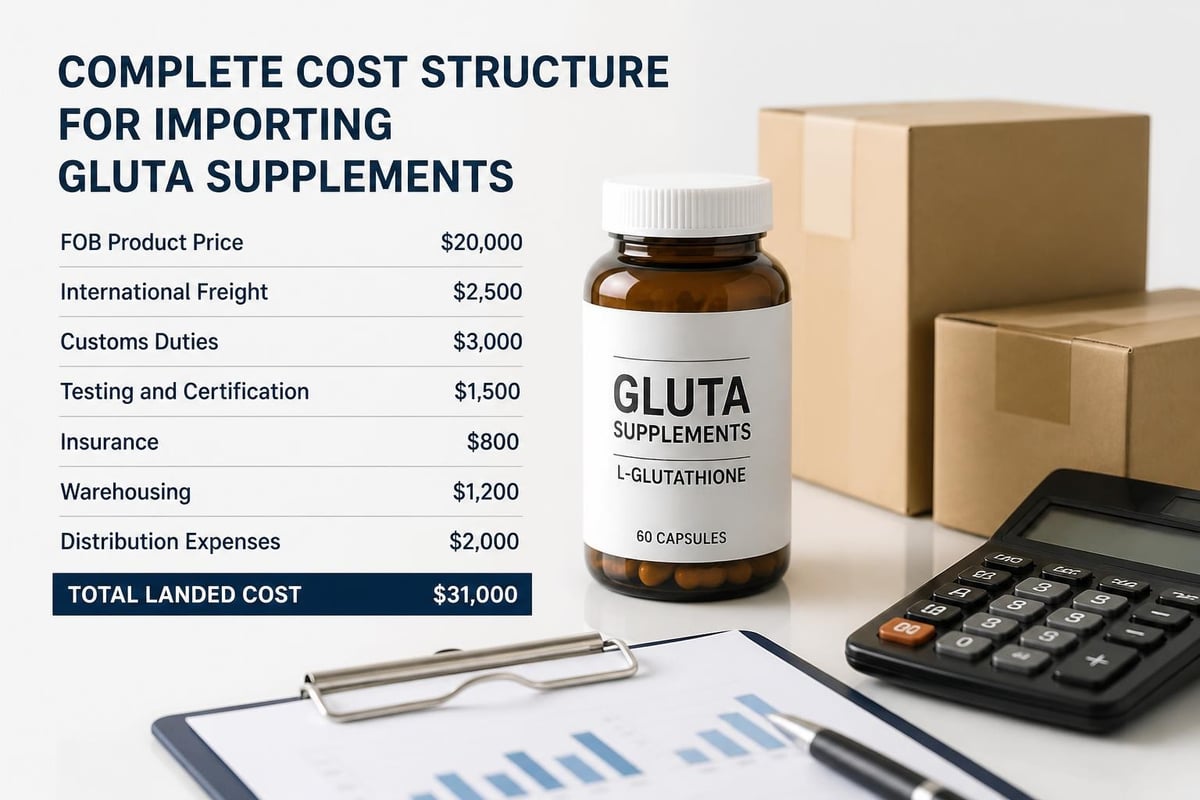
Import Cost Components
Beyond product cost, buyers must account for:
- International freight charges (ocean or air)
- Customs duties and import taxes
- Port fees and handling charges
- Customs broker services
- Product liability insurance
- Laboratory testing costs
- Warehousing and inventory carrying costs
Competitive Positioning and Market Strategy
International buyers succeed by developing clear positioning strategies that differentiate their offerings in competitive markets.
Value Proposition Development
Premium Quality Positioning
Focus on advanced formulations, superior bioavailability, and comprehensive quality documentation. Target health-conscious consumers willing to pay premium prices for verified quality.
Value-Oriented Approach
Offer competitive pricing on standard formulations with solid quality standards. Serve price-sensitive market segments and volume retailers.
Specialty Formulation Focus
Concentrate on unique combinations or delivery systems not widely available in the target market. Examples include glutathione paired with specific vitamins, minerals, or botanical extracts popular in particular regions.
Private Label Opportunities
Many Thai manufacturers offer private label development services, enabling buyers to create branded products tailored to their market requirements. This approach provides:
- Brand differentiation and customer loyalty development
- Higher margin potential compared to distributing manufacturer brands
- Custom formulation options matching specific market preferences
- Exclusive product positioning in your distribution territory
Working with established suppliers who understand international export requirements helps streamline private label development. Buyers interested in whitening supplement products often explore related formulations including collagen glutathione combinations popular in Asian beauty markets.
Supplier Relationship Management
Building strong partnerships with Thai manufacturers creates long-term business advantages and operational efficiency.
Selecting the Right Manufacturing Partner
Evaluation Criteria
- Production capacity and ability to scale with your growth
- Quality management systems and certifications
- Export experience and documentation capabilities
- Communication responsiveness and English proficiency
- Financial stability and business reputation
- Flexibility for custom formulations and packaging
- Minimum order quantities matching your business stage
Due Diligence Process
Professional buyers conduct thorough supplier verification before committing to significant orders:
- Request detailed company profile and manufacturing capabilities
- Verify business registration and export licenses
- Review quality certifications and testing protocols
- Request customer references from other international buyers
- Visit facilities when feasible or arrange third-party inspection
- Start with smaller trial orders before scaling up
Communication and Expectations Management
Clear communication prevents misunderstandings and builds productive long-term relationships:
- Establish detailed product specifications in writing
- Define quality acceptance criteria explicitly
- Clarify payment terms, lead times, and shipping arrangements
- Document all changes to formulations or packaging
- Maintain regular contact beyond transactional needs
- Address issues promptly and professionally
Emerging Trends and Future Outlook
The glutathione supplement market continues to evolve, presenting both opportunities and challenges for international buyers.
Innovation in Delivery Systems
Research into improved bioavailability drives ongoing formulation development. Liposomal encapsulation, nanoparticle technology, and sublingual delivery formats aim to address the historical challenge of oral glutathione absorption. Buyers who stay current with technological advances can offer differentiated products commanding premium positioning.
Combination Product Development
The trend toward multi-functional supplements continues, with glutathione increasingly combined with:
- Collagen peptides for comprehensive skin health support
- Vitamin C to enhance glutathione recycling
- Alpha-lipoic acid for synergistic antioxidant effects
- Botanical extracts targeting specific wellness applications
Products combining multiple active ingredients appeal to consumers seeking simplified supplement regimens, potentially increasing per-unit value for distributors.
Sustainability and Clean Label Demands
Consumer preference for transparent sourcing, minimal processing, and environmentally responsible production influences purchasing decisions. Forward-thinking buyers prioritize suppliers demonstrating:
- Sustainable sourcing practices for raw materials
- Minimal use of artificial additives and excipients
- Clear ingredient origin disclosure
- Environmentally conscious packaging options
- Ethical manufacturing and labor practices
Regional Market Growth Patterns
Different geographical markets show varying growth trajectories for gluta supplement products. Asian markets maintain strong demand driven by established consumer awareness. Middle Eastern markets show increasing interest, particularly in beauty and wellness applications. Western markets demonstrate growing but more cautious adoption, with consumers increasingly seeking scientific validation for supplement benefits.
Professional Buyer Best Practices
Experienced importers and distributors follow established practices that minimize risk and maximize business success.
Sample Testing Protocol
Before committing to large orders:
- Request samples of the exact formulation intended for production
- Conduct independent laboratory analysis verifying glutathione content
- Test product stability under typical storage conditions
- Evaluate packaging quality and label accuracy
- Assess organoleptic properties (appearance, taste, smell)
- Review all accompanying documentation for completeness
Inventory Management Strategies
Dating and Rotation
Implement strict first-in, first-out inventory management to ensure product freshness. Monitor remaining shelf life and adjust purchasing patterns to minimize expired product risk.
Safety Stock Levels
Balance inventory investment against stockout risk. Consider lead times from Thailand, minimum order quantities, and demand variability when establishing reorder points.
Diversification Considerations
Some buyers source from multiple suppliers to reduce dependency risk and maintain negotiating leverage. Others prefer deep partnerships with fewer suppliers for consistency and preferential treatment.
Market Intelligence Gathering
Successful buyers maintain awareness of:
- Regulatory changes in destination markets
- Emerging competitive products and pricing
- Consumer trend shifts and preference evolution
- Scientific research affecting product positioning
- Supply chain disruptions or raw material availability issues
Risk Management and Compliance
Professional buyers implement systematic risk management to protect their businesses and customers.
Product Liability Considerations
Even when purchasing from reputable manufacturers, importers and distributors face potential liability exposure. Risk management strategies include:
- Comprehensive product liability insurance coverage
- Documented quality verification procedures
- Clear contractual terms with suppliers regarding quality warranties
- Robust adverse event monitoring and reporting systems
- Legal review of product claims and marketing materials
Regulatory Compliance Systems
Maintaining regulatory compliance requires ongoing attention:
- Regular review of applicable regulations in all distribution markets
- Documentation systems for certificates, testing results, and approvals
- Procedures for label review and claim substantiation
- Staff training on regulatory requirements and compliance procedures
- Relationships with regulatory consultants for complex questions
Financial Risk Management
International trade involves currency fluctuation, payment security, and working capital considerations:
- Currency hedging strategies for large or recurring orders
- Appropriate payment methods balancing cost and security (letters of credit, wire transfers, trade credit insurance)
- Working capital planning accounting for extended payment terms and inventory investment
- Credit evaluation of suppliers before extending payment terms
Sourcing a quality gluta supplement for international markets requires careful attention to formulation selection, supplier verification, regulatory compliance, and logistics management. Thailand's established manufacturing capabilities and export expertise make it a strategic sourcing destination for businesses seeking competitive pricing and reliable quality. Whether you're looking to expand your wellness product portfolio or enter the growing supplement market, BUARADA provides comprehensive sourcing support, connecting international buyers with verified Thai manufacturers and facilitating smooth export processes. Contact us today to discuss your specific requirements and explore wholesale opportunities for authentic Thai health and wellness products.